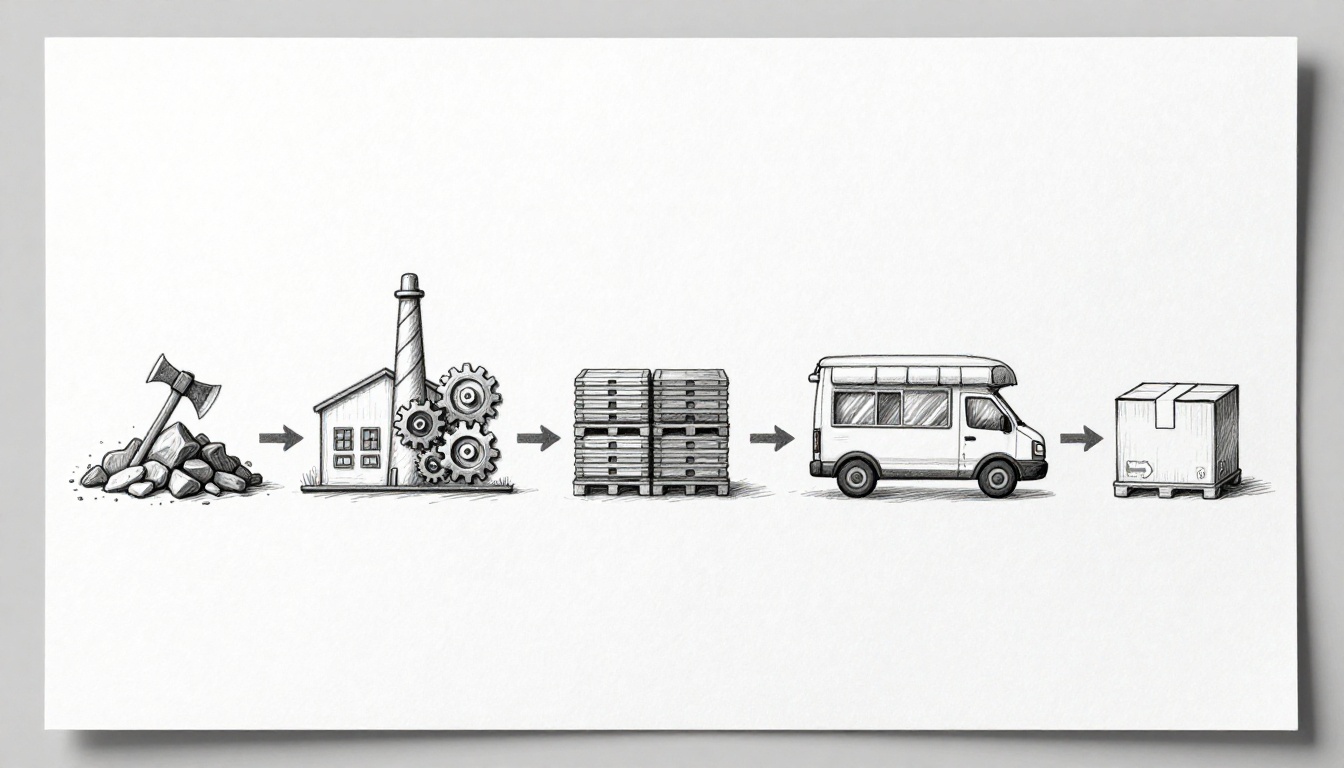
A supply chain is like a relay race. Products pass from one team to the next, until they land in your hands. The main stages of a supply chain cover that whole handoff, from raw materials to customers, and then back again.
In plain terms, a supply chain is the full process of creating and delivering goods. When you understand the stages, you can spot where delays start, where waste shows up, and where costs quietly grow.
You’ll see five stages explained simply: planning, sourcing, manufacturing, delivering, and returning. Then you’ll get real examples and practical tips you can use right away.
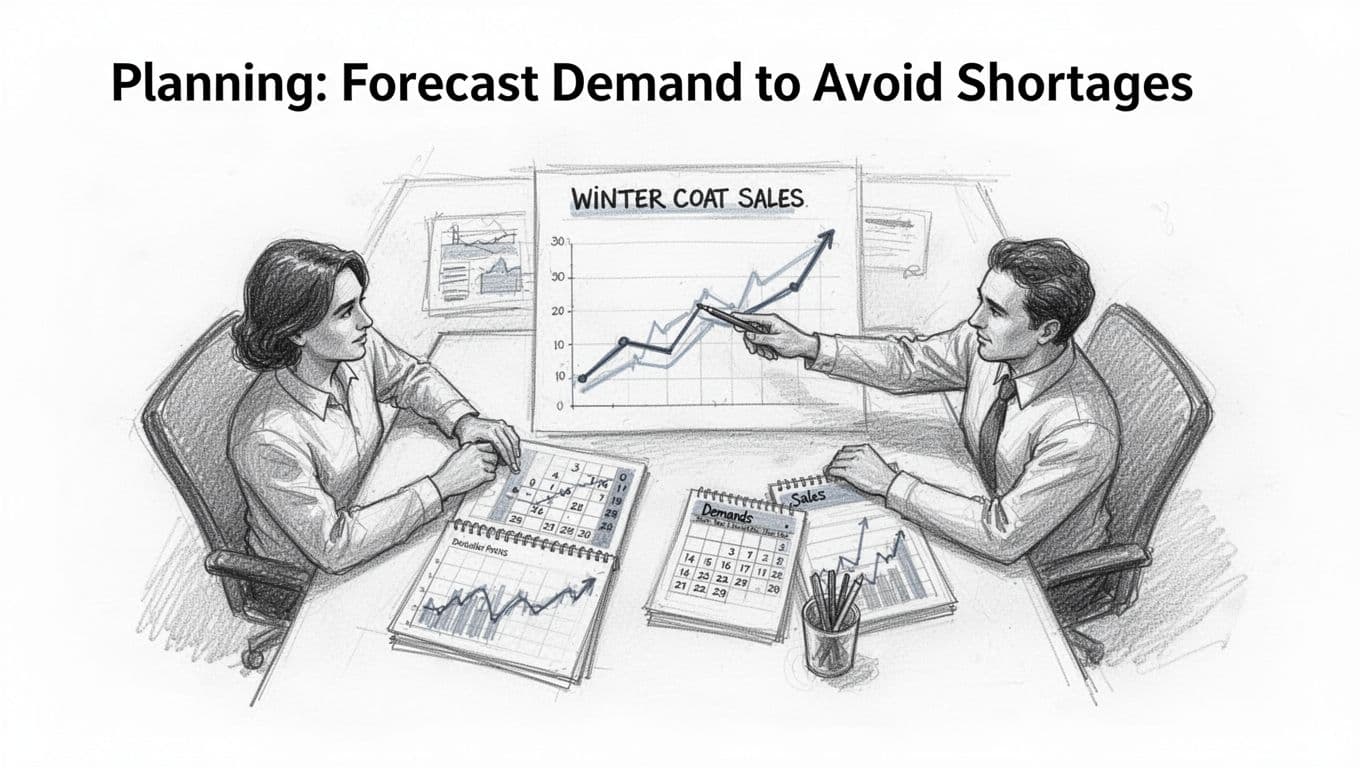
Planning: Forecast Demand to Avoid Shortages
Planning kicks everything off. Before anyone buys materials or runs machines, a company estimates what customers will want next. It’s the kickoff meeting plus the “what-if” homework. If planning is weak, everything after it gets harder.
Many businesses also use a common reference model called SCOR, short for Supply Chain Operations Reference. It groups work into Plan, Source, Make, Deliver, and Return. If you want a quick way to map these stages, see the explanation of the SCOR Plan-Source-Make-Deliver-Return model.
The payoff is real. Good planning helps you use resources better. It also reduces mistakes like ordering too much, or too little.
Steps Involved in Supply Chain Planning
A solid supply chain planning process usually starts with demand data. Companies look at past sales, season trends, and new promotions. Then they turn that into targets for buying and production.
Next, they set production plans. That includes how many units to build, and when they should hit the warehouse. After that, planners align labor and machines, so work flows instead of stalling.
Here’s the core rhythm, in simple terms:
- Review past sales to spot patterns and trends
- Predict future demand based on forecasts and upcoming events
- Set production targets so the right items get made on time
- Plan capacity for workers, shifts, and equipment
When planning works, shelves don’t stay empty. You also avoid paying for extra inventory you cannot sell.
If planning handoffs break, supply issues show up late. For context on how planning processes connect end to end, check end-to-end planning processes.
Planning Example: Stocking Up for Winter Coats
Picture a clothing retailer in the fall. In October, sales are climbing, but winter is still ahead. So the buying team reviews last year’s October data, plus this year’s early-week trends.
Then they adjust orders earlier than they did last season. That means coats and sweaters arrive before the weather turns. It also means the store can react to what shoppers actually grab.
Now imagine opening a store on the first cold weekend. Customers find their sizes and colors right away. Instead of discounting later, the retailer sells through at full price.
That’s the simple win of planning: fewer surprises, smoother selling, and less money tied up in the wrong items.
Sourcing: Find Reliable Raw Materials Fast
Sourcing is where a company finds inputs. That means raw materials, parts, and services from suppliers. It’s not just buying. It’s buying well.
At this stage, teams compare suppliers by price, lead time, and quality. They also think about risk, like delays at ports or a shortage of key materials. In many real supply chains, sourcing is global. Different vendors supply different components.
When sourcing goes smoothly, you get steady materials. When sourcing fails, production waits, and costs rise fast.
Daily Tasks in Sourcing Materials
On most days, the sourcing stage in supply chain looks like a mix of coordination and checks. Teams request quotes, compare terms, and negotiate schedules. Then they confirm that shipments will arrive when production needs them.
Quality matters, too. A buyer might review test results. Or a team might require samples before placing the full order. Price also matters, but it only helps if the quality holds.
For example, a company might track whether steel arrives with the right specs. It might confirm rubber meets performance needs. Even small differences can break downstream processes.
So sourcing is steady work. It’s also where trust gets built with suppliers. You want fewer “we’ll see” moments later.
Sourcing Spotlight: Building a Car from Scratch
Imagine a car maker building from scratch. They need steel for the body, rubber for tires, and electronics for the dashboard. Those parts often come from different regions, with different shipping timelines.
So the sourcing team runs a tight calendar. They place orders early enough for ocean transit, then they coordinate inbound delivery to the plant. If a supplier slips, the whole plan faces pressure.
The win is coordination. If parts arrive on schedule and match specs, manufacturing can start without waiting. That makes the next stage smoother, not frantic.
In short, sourcing is the “meet the materials on time” job. It sets the pace for everything after it.
Manufacturing: Transform Parts Into Ready Products
Manufacturing turns inputs into finished goods. This stage includes assembly, testing, packaging, and basic quality checks. If sourcing is the ingredients, manufacturing is the cooking.
Companies also focus on efficiency here. Lean methods often show up because waste costs money. Lean pushes for better flow and fewer defects.
Most factories run with one goal: output that’s consistent and safe. That’s how you earn customer trust.
What Happens on the Factory Floor
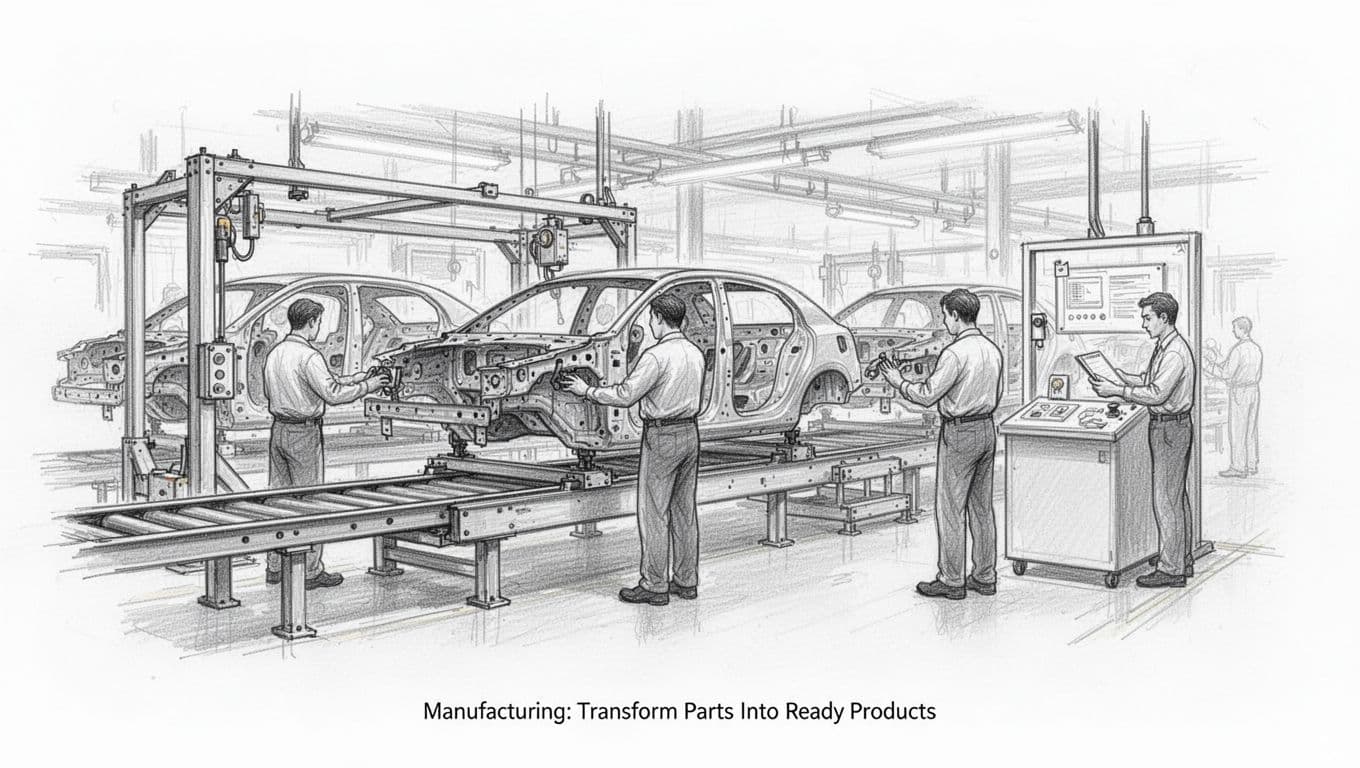
Ever wonder how cars get built, or how boxes get packed? It’s a set of repeated steps, done in a clear order.
On a factory floor, parts move along an assembly line. Workers attach components, then machines help with precision. After assembly, quality teams test the product. They might check fit, function, or safety.
Then packaging happens. It protects the product during transit. It also helps warehouses store items efficiently.
Meanwhile, schedules and shifts matter. A small delay in one station can ripple across the line. That’s why manufacturing plans often track work-in-progress closely.
Manufacturing in Action: Assembling Cars Efficiently
Back to the car example. The plant puts the chassis on the line, then adds the engine and major electrical parts. Painting comes next, and it has its own timing needs. After that, teams run engine tests and final checks.
Now imagine where lean thinking helps. If one station keeps waiting for parts, that creates waste. A better setup makes parts arrive right when the line needs them.
Next, finished cars get staged for shipping. That leads directly into delivery, where the next handoff begins.
Delivering: Get Goods to Doors on Time
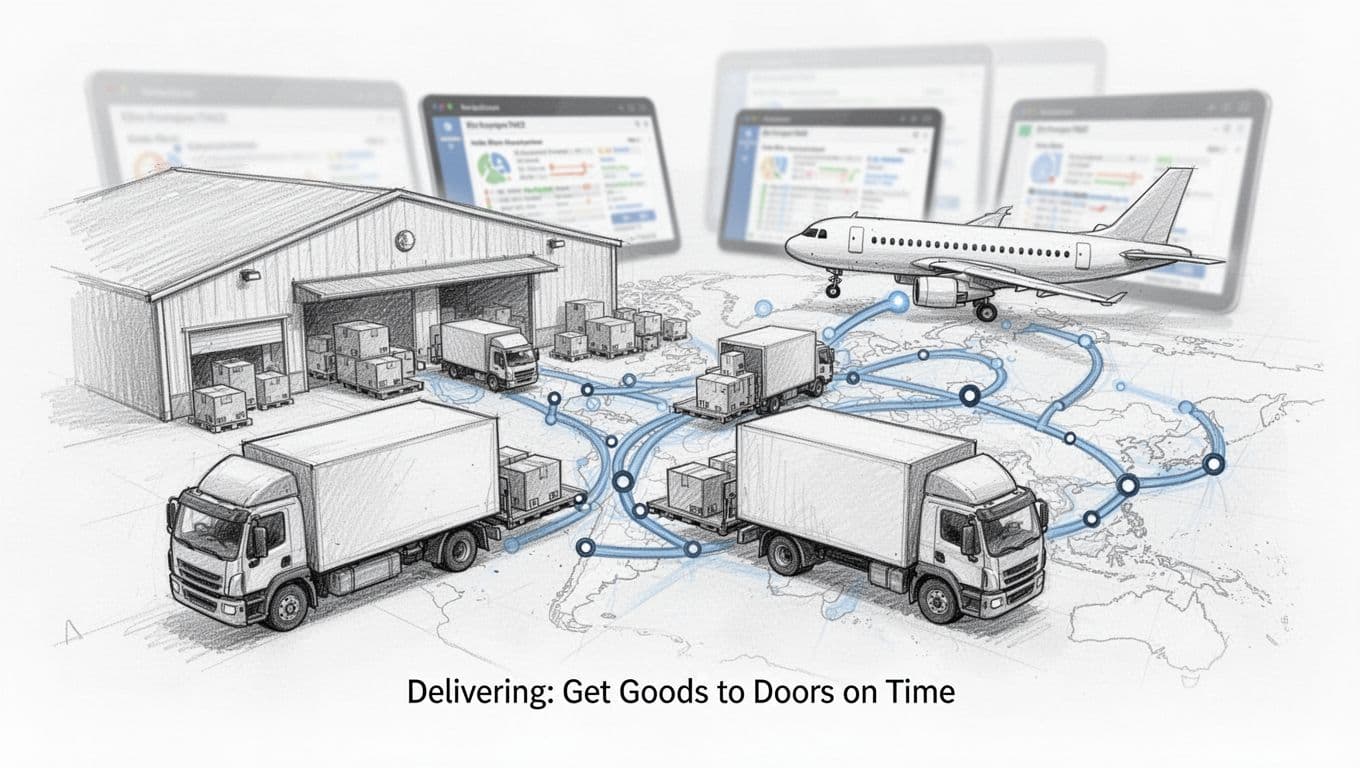
Delivery moves finished goods to customers. It includes transport, warehousing, and distribution. This stage also covers tracking and timing.
Customers notice delivery the most. If it’s late, trust drops fast. If it arrives on time, customers feel seen.
Warehouses play a key role here. They hold products while coordinating orders. That way, delivery teams can ship in the right order and with fewer delays.
Logistics Breakdown: From Factory to Store
The delivery stage supply chain can use trucks, ships, and planes. Often, goods follow a route like factory to distribution center, then to regional warehouses, then to stores or homes.
Tracking is a big part of modern delivery. It helps teams know where shipments are. It also helps them respond when something changes.
Think about an online order. You see an update, then the package shows up. That experience comes from a chain of logistics steps working together.
Also, delivery doesn’t always mean “one trip.” Sometimes a product waits in a warehouse first, so the rest of the order can go together.
Delivery Challenges: Hauling Big Construction Pieces
Delivery can be simple for small items. But construction products are different. Imagine shipping prefab wall sections or large equipment.
Care and timing matter. Drivers need the right routes. Loading requires special handling. A delay can slow the entire job site.
Also, damage risk is higher. That means packaging, labeling, and inspection steps matter before transit.
So delivery teams manage more than speed. They manage safe arrival, correct sequencing, and fewer surprises for the next customer.
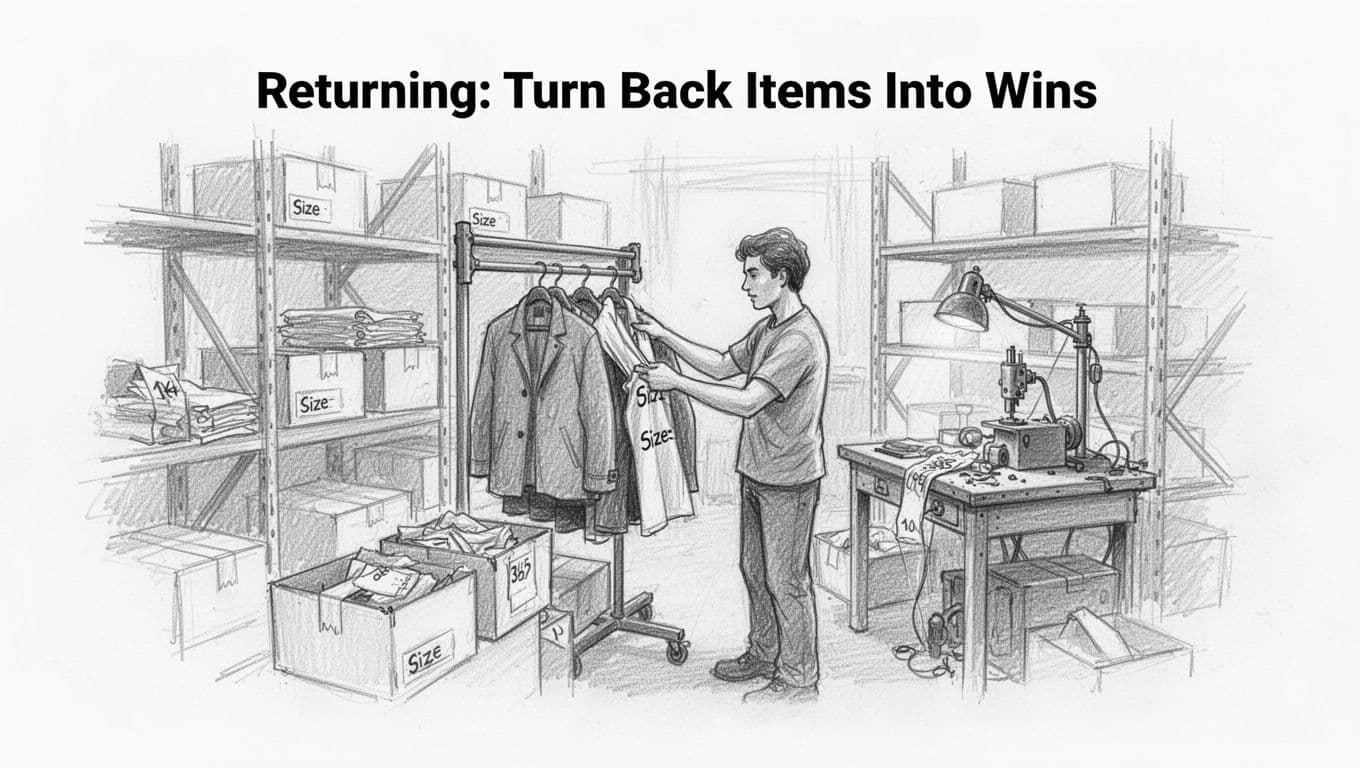
Returning: Turn Back Items Into Wins
Returning closes the loop. It’s not the end of the supply chain story. It’s often a major cost area, especially for retail and e-commerce.
Still, returns can create value when handled well. You learn why customers send items back. You can improve sizing, product design, and descriptions.
In 2026, many operators treat reverse logistics as a core capacity, not an afterthought. For a look at that trend, see 2026 reverse logistics shift.
The Returns Process From Start to Finish
The returning stage in supply chain starts when the customer sends an item back. Then the company receives it and checks its condition.
Next comes decision time. The item might get restocked, repaired, or disposed of based on rules and quality results. Teams also capture the reason for return, like a defect or wrong fit.
A simple way to picture the flow:
- Receive and log the return
- Inspect condition and confirm the issue
- Repair or restock, if it fits policy
- Update records to guide future orders
When this loop runs well, customers feel supported. At the same time, the company gets data for better decisions.
Returns Lesson: Fixing Clothing Size Problems
Think about a clothing retailer that sees too many returns for small sizes. That pattern shows up in returns data, not guesswork. So the retailer investigates.
Maybe the size chart runs tight. Or maybe the fit changes between production runs. Then the team adjusts the next run and updates how items are described.
After those changes, fewer customers feel stuck between “almost right” and “not right.” That improves margin, too, because each return costs money.
Returns become a feedback tool. That’s how you turn a loss into a future win.
Connecting the Stages: Inventory, Transport, and More
The stages don’t work alone. They connect through inventory tracking, shared data, and clear handoffs. A plan changes, and sourcing responds. A shipment delays, and delivery adapts.
Inventory is the glue. It controls risk when demand shifts. It also helps companies avoid stockouts. At the same time, transport schedules, paperwork, and quality checks keep the chain moving.
Some supply chain models group more “supporting” work. That can include planning signals, performance measures, and readiness to respond. In practice, it all comes down to one idea: keep information flowing.
So when you hear “supply chain stages overview,” think of a relay race again. The baton passes smoothly only when each runner is ready for the next handoff.
Conclusion
The main stages of a supply chain move in a clear order: plan, source, manufacture, deliver, return. When each stage does its job, you cut waste and hit deadlines more often.
Most importantly, your customers get what they want, when they expect it. That’s how you build trust and keep costs under control.
What part of your supply chain feels most stressful right now, planning, sourcing, manufacturing, delivering, or returning? Share your biggest challenge, and subscribe for more practical breakdowns.