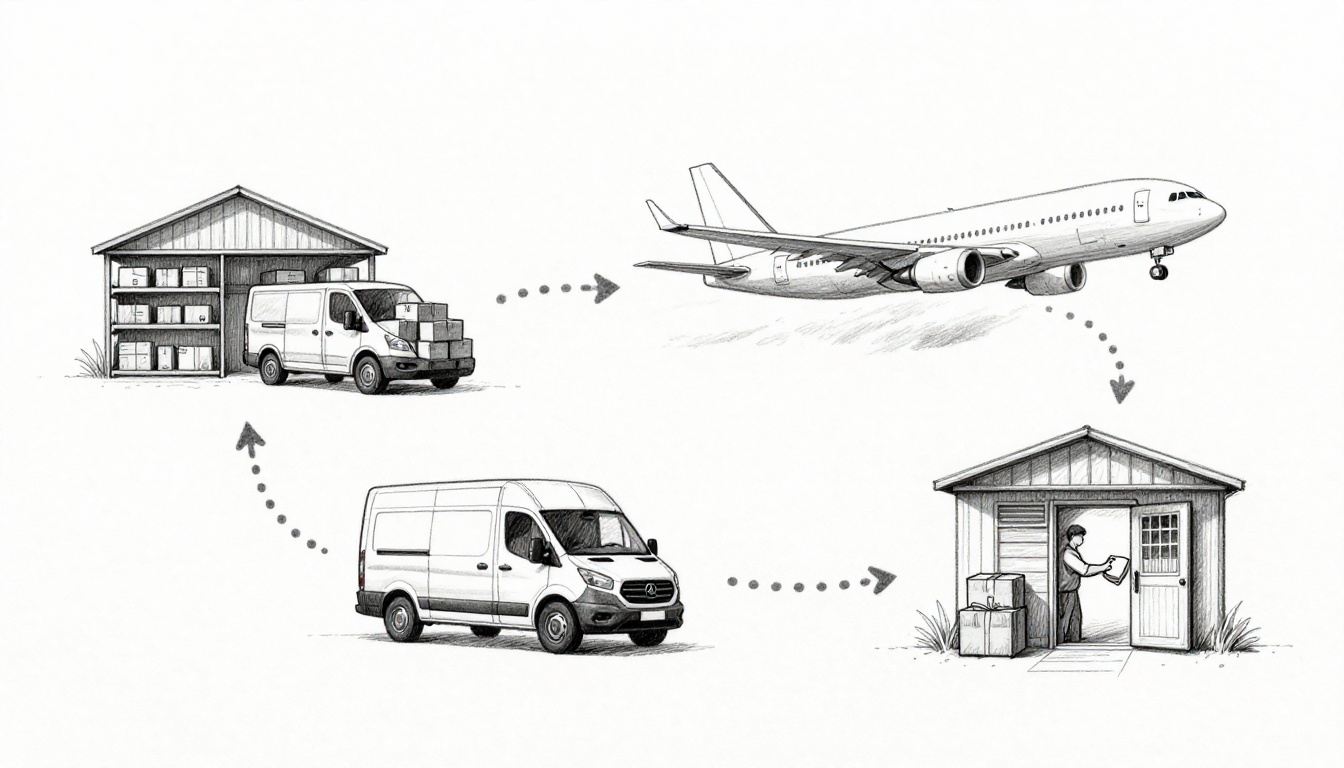
You order a phone online, and two days later it shows up at your door. That quick moment feels simple, but it’s built on a lot of planning and coordination behind the scenes. Logistics is what makes that journey possible, from factory to customer.
In plain terms, the question what is logistics comes down to one job: planning, moving, and storing goods so they arrive on time and in good condition. When you zoom out, how does logistics work becomes a chain of decisions, handoffs, and systems that keep products moving.
In 2026, logistics matters even more. People expect faster delivery. Businesses juggle global suppliers. Returns happen more often. If any part slips, costs rise and customers notice fast.
Here’s what you’ll learn next: the core pieces of logistics, the main types (inbound, outbound, reverse), how it works step by step, how it supports the bigger supply chain, plus today’s challenges and the trends shaping 2026.
The Core Pieces That Make Logistics Tick
Logistics is the practical work of getting products where they need to go. It includes transportation, warehousing, inventory control, packaging, documentation, and the information systems that tie it all together.
Think of logistics like a conductor. The orchestra has many instruments, but logistics keeps the timing tight. When it works, you get fewer delays, fewer mistakes, and lower waste.
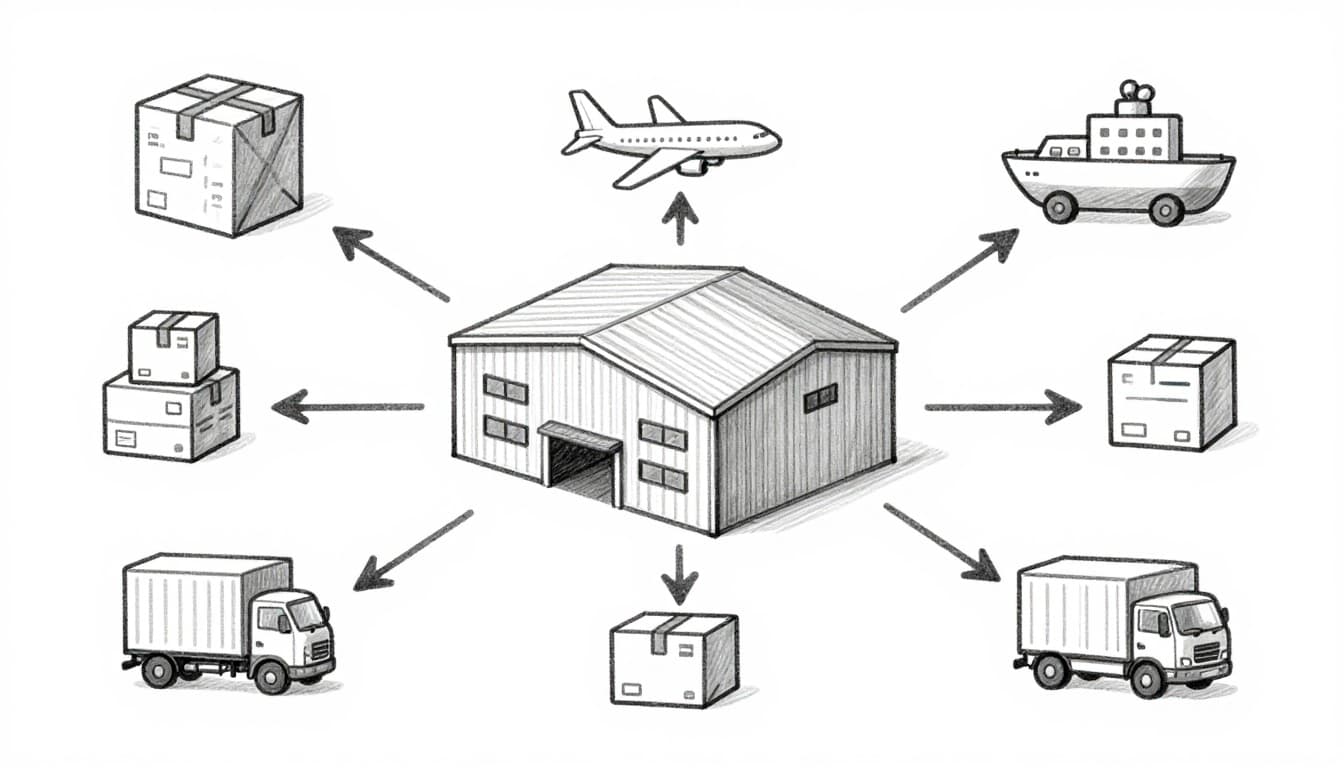
For a solid baseline definition, see what logistics means (and what it includes) from project44. It highlights the idea that logistics covers both movement and the information needed to manage that movement.
Here are the core parts that keep logistics running:
Transportation Transportation is the “legs” of the operation. Trucks handle regional moves. Planes move time-sensitive cargo. Ships move large volumes across oceans. Trains help with long-distance hauling. The goal is to match the mode to speed, cost, and risk.
Warehousing Warehouses do more than store boxes. They receive inbound freight, inspect shipments, stage inventory, and prepare orders for outbound delivery. A well-run warehouse also supports fast picking, packing, and shipping.
Inventory management Inventory is money sitting on shelves. Logistics teams track stock levels, locations, and product movement. When inventory data is wrong, you get stockouts, backorders, or extra inventory that’s hard to sell.
Order fulfillment Order fulfillment turns demand into action. When a customer places an order, the system should know what’s available, where it is, and the fastest way to fulfill it. This includes choosing the right warehouse and the right carrier.
Packaging Packaging protects products and keeps shipping efficient. It also affects costs, damage claims, and how fast packages can move through sorting and delivery.
Documentation and compliance Most shipments require paperwork. Customs forms, bills of lading, safety documents, and labeling rules all matter. If documentation breaks, the shipment can sit.
Real-time tracking and information Tracking is how you reduce uncertainty. Many firms use digital visibility tools to know where shipments are, predict arrival windows, and respond when plans change. In the US, real-time tracking is widely trusted, with about 78% of companies using tech for core visibility and tracking needs (industry reporting varies by source, but adoption is clearly high).
When each component connects, logistics keeps costs lower and service levels steadier.
Inbound, Outbound, and Reverse: Understanding the Main Types
Logistics moves in different directions. That’s why the types matter.
Inbound logistics covers goods moving from suppliers into your production sites and warehouses. It answers one question: how do we get materials and inventory to where we need them?
For example, a car factory needs parts. Inbound logistics brings those parts from component suppliers to the factory.
Outbound logistics covers goods leaving the factory or warehouse and heading to customers. This includes shipping, last-mile delivery, and delivery handoffs. In outbound logistics, the main question is: how do we deliver the right product to the right customer fast enough?
For example, an online store ships clothes to you. Outbound logistics handles picking, packing, carrier handoff, and delivery.
Reverse logistics covers returns and the “second life” of products. This includes inspections, restocking, refurbishment, recycling, or disposal. It’s growing because e-commerce returns are common, and customers want easy return options.
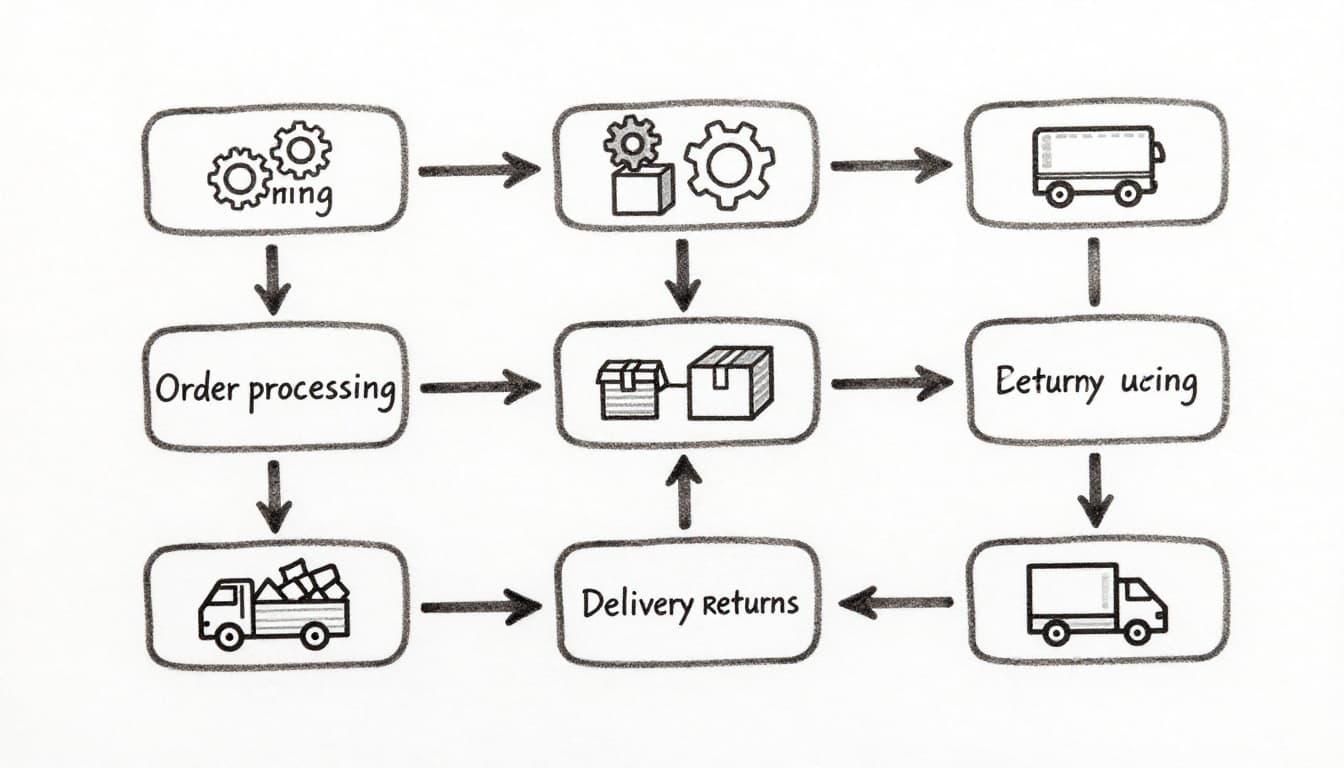
A simple way to see how they connect is to follow one product’s journey:
A company buys materials (inbound). It makes a product. Then it ships that product to you (outbound). If you return it, reverse logistics handles what happens next.
If you want a clear walkthrough of these types, Maersk’s breakdown of inbound, outbound, and reverse logistics is a helpful reference.
Step by Step: How Logistics Brings Products to Your Door
So, how does logistics work in real life? It rarely looks like one straight line. Still, the journey has a clear flow.
Below is a practical step-by-step view, from planning to after-delivery.
- Planning routes and timing: Logistics teams set delivery windows, select lanes, and schedule handoffs.
- Inbound procurement and shipment planning: Suppliers ship materials, and the system plans how they arrive.
- Manufacturing and production staging: Factories build the product and prepare it for storage or pickup.
- Warehousing and receiving: Goods enter the warehouse, get checked, then get stored in specific locations.
- Order processing: The system confirms inventory, payment, and the best warehouse for fulfillment.
- Picking and packing: Staff or automation pull items, then package them to reduce damage risk.
- Shipping and carrier handoff: Parcels move to sorting hubs, freight terminals, or direct carrier routes.
- Last-mile delivery: A local delivery network brings the package closer to you.
- Returns and reverse processing: If you return it, teams inspect and decide the next step.
- Tracking, proof of delivery, and feedback: Updates close the loop and inform future decisions.
A lot of modern logistics depends on timing signals and visibility. In 2026, AI and predictive tools help improve these decisions. For example, North American shippers report strong AI use for forecasting and operations, with around 47% using AI for these tasks in industry surveys. Route optimization software adoption is also common, often reported near 49% in recent enterprise tech surveys.
Here’s a small mental model: logistics is like building a series of dominoes. If you push the first one at the right speed, the rest falls in order. If you push too late, everything costs more.
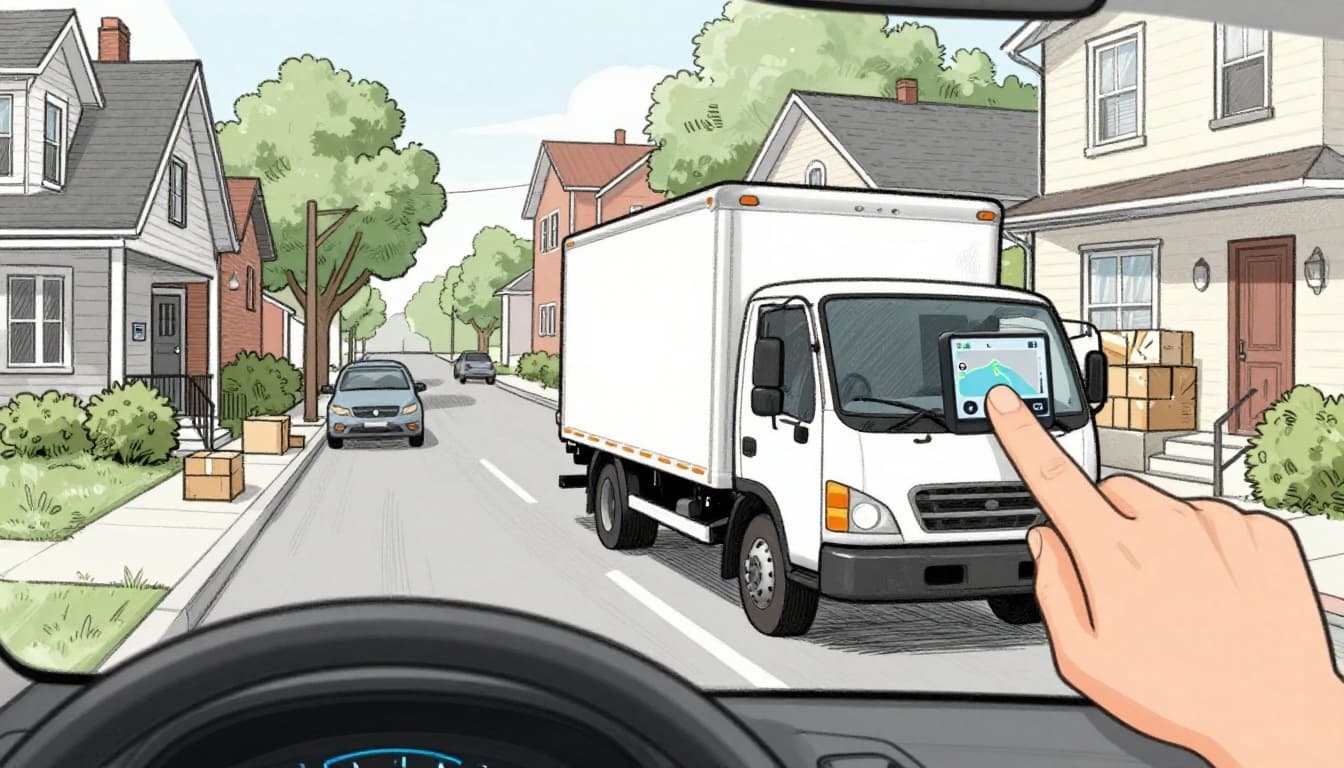
When last-mile delivery runs into traffic or weather, tracking data matters. Teams can reroute, adjust delivery windows, or swap carriers. The best systems reduce surprises.
For more on how logistics processes connect inside the supply chain, check logistics processes and optimization points from Mecalux.
Logistics doesn’t just move boxes. It moves plans, data, and decisions in sync.
Logistics as the Backbone of Modern Supply Chains
People mix up logistics and supply chain. They sound similar, but they do different work.
Logistics focuses on the movement, storage, and delivery of goods. Supply chain management covers the broader chain, from product idea to delivery, including suppliers, planning, and often finance.
That difference shows up when you look at responsibilities. A supply chain strategy might decide how to source products. Logistics then runs the daily work that makes those choices real.
If you want a clear comparison, logistics vs supply chain: key differences lays out the “moving part” vs the “end-to-end system” idea.
In 2026, logistics acts as the backbone because customers expect speed and accuracy. Many shoppers now treat delivery promises as part of the product. Also, global disruptions still happen. Weather, port slowdowns, labor issues, or trade changes can all force new routes and new schedules.
When logistics handles these shifts well, businesses gain:
- Lower operating waste from better inventory timing and fewer re-shipments
- More stable delivery performance because handoffs and tracking stay consistent
- Faster recovery during disruptions through alternative routes or carrier plans
The result is simple. Better logistics keeps the whole supply chain from breaking under real-world pressure.
Challenges Logistics Faces Today and Exciting Trends Ahead
Logistics in 2026 is busy for good reasons. E-commerce grows. Global freight still moves. Labor is tight. Costs stay high. And customer expectations keep rising.
Here are common challenges, plus the impact you feel, even if you never see a warehouse.
| Challenge in 2026 | What it causes | Quick fixes that help |
|---|---|---|
| Transport and handling costs | Higher shipping prices, tighter margins | Better load planning, carrier mix, route prediction |
| Delays from weather and congestion | Late deliveries, missed promises | Rerouting rules, dynamic ETAs, alerting customers |
| Labor shortages | Slower picking, packing, and loading | Automation tools, workforce planning, temp staffing strategies |
| Inventory mismatches | Stockouts or excess inventory | Improved forecasting, tighter cycle counts |
| Returns volume from e-commerce | More work, more inspections, more reverse moves | Smarter return routing, faster grading and restock decisions |
When it comes to staffing, many companies use tech to reduce the pressure. In recent industry reporting, 63% of businesses use technology to cut driver needs, and many still prefer human drivers today, with plans changing over time.
Now for trends. They’re not all about robots, but automation is growing fast because it reduces dependency on scarce labor.
AI for planning and routing AI helps predict delays, improve forecasting, and support dispatch decisions. However, the best results come when AI connects to real warehouse and transportation data, not when it runs in a silo.
If you want a deeper look at where AI is showing value, BCG’s view on AI moving logistics forward is a strong starting point.
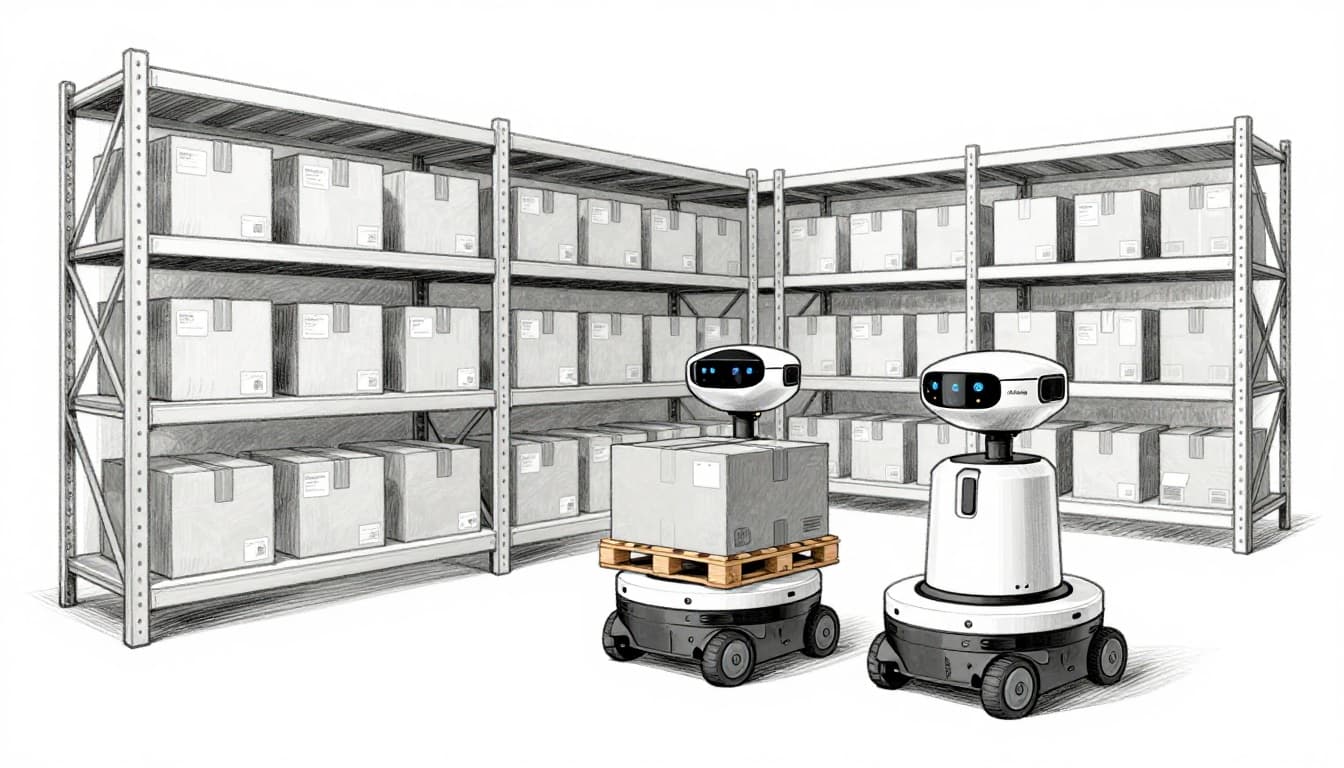
Automation inside warehouses Robots and warehouse automation keep spreading. Industry estimates suggest the global logistics robot market grows at about 19.7% per year, reaching around $98.9 billion by 2032. Robots can move pallets, support picking, and reduce repetitive manual work.
Sustainability and “circular logistics” Sustainability is no longer a side project. Companies want less waste, fewer damages, and lower emissions. That affects packaging choices, delivery batching, route efficiency, and reverse logistics decisions like repair vs recycle.
Full visibility with IoT Sensors and tracking devices help companies see conditions like temperature, location, and handling events. That visibility improves quality and reduces claims.
Finally, resilience is becoming standard thinking. Instead of betting on one route or one plan, teams build options.
The future of logistics isn’t just faster delivery. It’s fewer surprises.
Real-World Wins: Companies Mastering Logistics Right Now
You don’t need a huge budget to improve logistics. Small changes can cut costs fast.
One example is how sellers and exporters use shipment tools to cut guesswork. Some New Zealand exporters and carriers lean on modern tracking apps and shipment visibility features to reduce “where is it?” calls. That also helps them plan customer updates more accurately.
In the Middle East, routing choices during disruptions offer another lesson. When lanes change, companies that quickly reroute and adjust delivery windows usually protect service levels better than those that wait for perfect conditions.
Warehouses also show progress. During periods of tight labor, robots and automation help keep throughput steady. That supports both inbound receiving and outbound order flow.
On the consumer side, you’ll notice this trend in your own deliveries. Packages often arrive with tighter windows and more frequent updates. That’s logistics visibility doing its job.
The takeaway is simple: when teams measure results, they improve faster.
Conclusion
So, what is logistics and how does it work? Logistics is the planning and execution behind the scenes, so goods move from factories to customers safely and on time. It runs through inbound, outbound, and reverse flows. Then it completes the loop with tracking, returns handling, and feedback.
In 2026, the stakes are higher because delivery speed, global supply chains, and returns all move expectations up. At the same time, AI, automation, and better visibility help teams manage costs and reduce delays.
If logistics touches your life (and it does), share your experience. Did a delivery problem happen recently, or did it go smoother than expected? Your story can help others connect the dots.