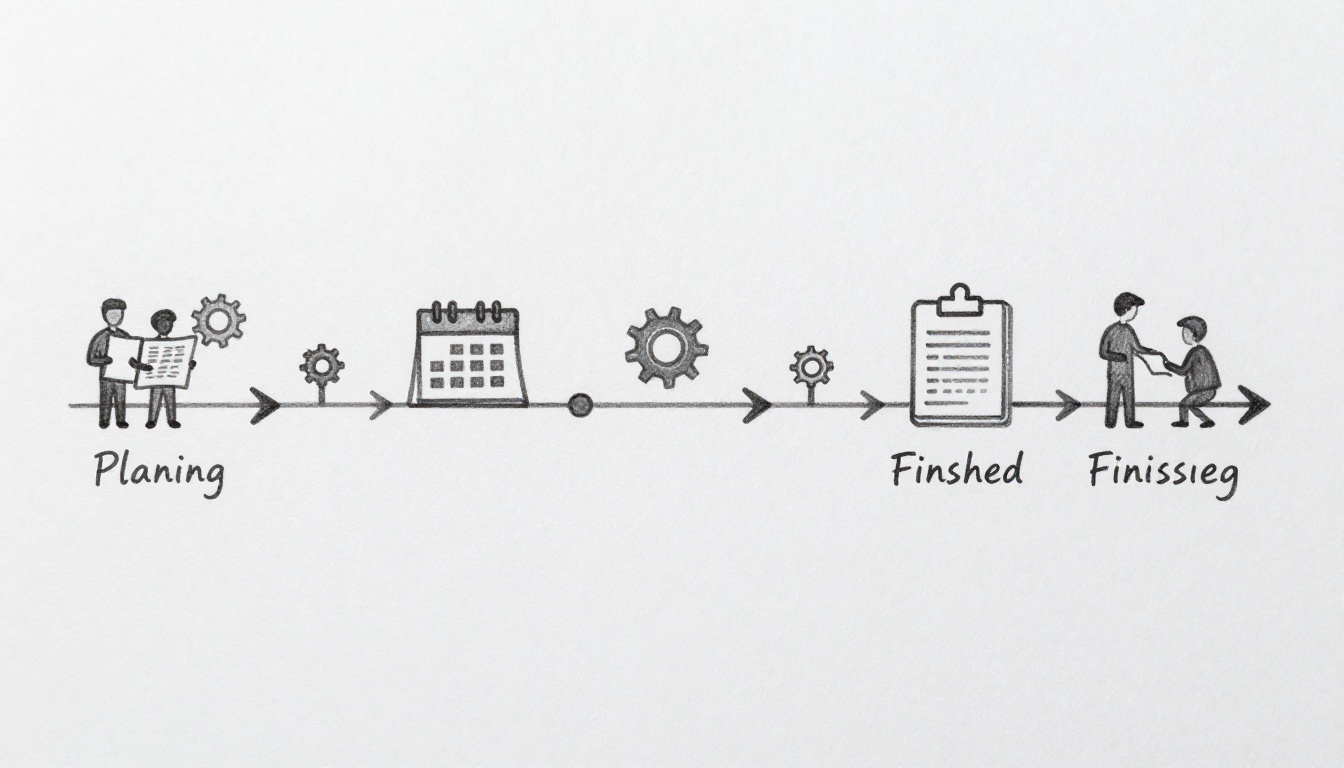
A missed production date can turn into a domino chain. You get rush orders, higher costs, stressed teams, and angry customers.
That’s why production timeline management matters. It keeps spending under control, protects quality, and reduces the “we thought we had more time” moments. In 2026, many companies rely on smarter planning, faster checks, and better data to stay ahead of surprises. Even then, delays happen, but companies with strong systems recover faster.
Delays can cost businesses millions of dollars every year, through scrap, overtime, expedited shipping, and lost sales. So how do teams stay on track without burning out? Ready to see how they do it?
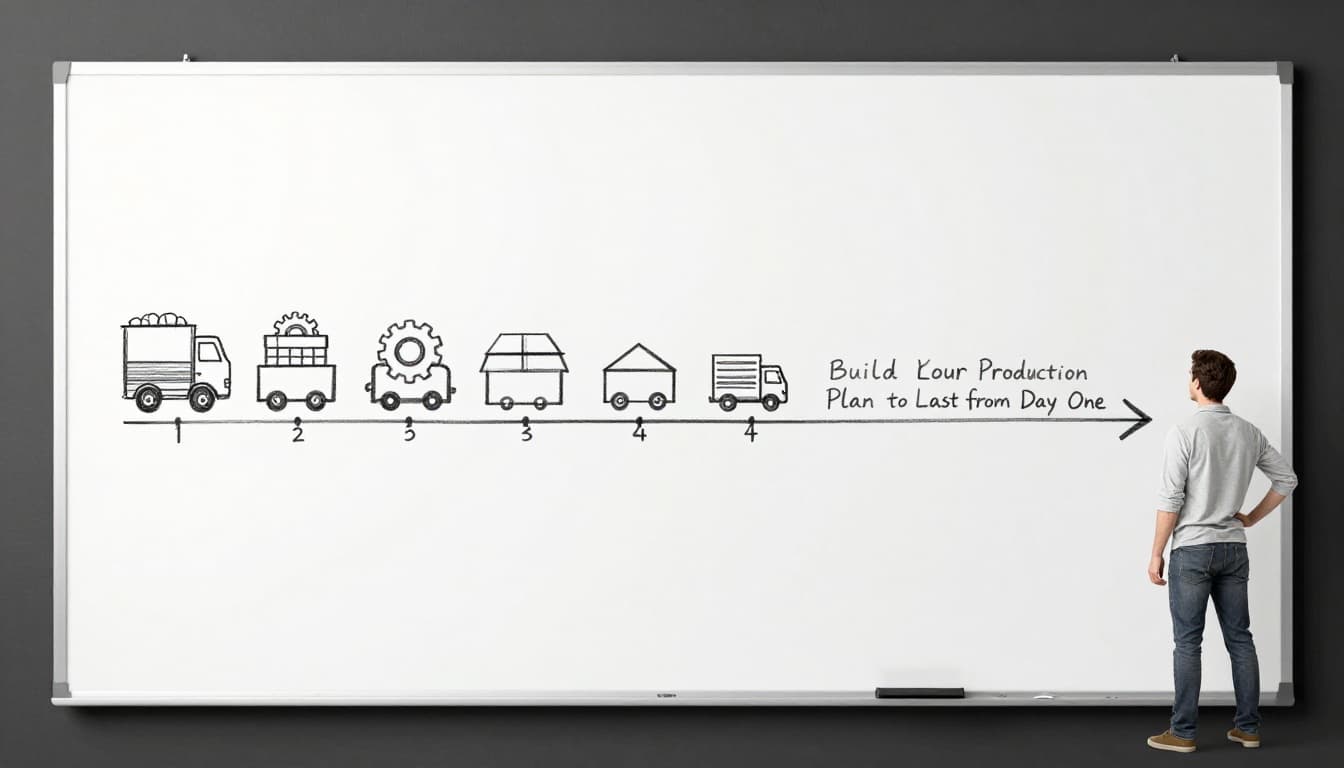
Build Your Production Plan to Last from Day One
Great timeline management starts before the first part gets built. Teams set the plan in a way that holds up when reality changes.
First, companies build from the deadline backward. Then they create milestones that fit the work, not wishful thinking. Next, they separate booked demand (firm orders) from forecasts (best guesses). That keeps decisions calmer when new info arrives. Finally, they check factory capacity early so schedules match what the plant can actually run.
A simple example: imagine a toy maker planning for the holiday season. If they guess demand too fast, they might overbuy materials early. If they wait too long, they miss assembly time and packaging slots. A well-built timeline solves both problems by planning milestones across sourcing, production, and shipping.
Most teams also add 1 to 2 weeks of buffer around big phases. That buffer isn’t “extra time to waste.” It’s insurance for common issues like lead-time slips or rework. In addition, companies share the timeline with suppliers early, so purchasing and logistics can secure better slots.
If you want a practical view on planning horizons, see how far ahead to plan production. Many teams use shorter windows for detailed scheduling, while longer views guide priorities and resourcing.
Work Backward from Deadlines to Set Clear Milestones
Working backward turns one big due date into clear steps. Instead of hoping everything fits, you define deliverables.
For example, a 6-month project might break into quarterly checkpoints:
- Quarter 1: design complete and tooling approved
- Quarter 2: components ready and first assembly run
- Quarter 3: pilot production, fixes, and supplier QA
- Quarter 4: final build, packaging, and shipment readiness
This approach helps for two reasons. First, it makes tracking easier. You can tell which milestone is slipping. Second, it improves supplier talks. When suppliers see quarter-level commitments, they can plan material flow and capacity.
Many growing manufacturers also formalize this idea with a master production schedule. If you want a guide, check how a master production schedule reduces waste.
Separate Real Orders from Predictions for Smarter Planning
Companies don’t treat forecasts like guarantees. Booked orders drive the “must do” work. Forecasts shape flexible capacity choices.
Consider a clothing brand with seasonal demand. If it plans entirely on predictions, it can overproduce winter coats. Then it pays storage costs and faces heavy markdowns later. However, if it separates actual orders from forecasted demand, it can adjust production runs as sales signals come in.
This reduces last-minute fixes because teams can answer questions fast:
- What changed in real demand?
- What can we delay without breaking customer promises?
- Where do we need to spend more to protect delivery dates?
Add Buffer Time Around Key Phases
Tight timelines feel efficient, until they aren’t. When a key phase breaks, everything behind it queues up.
A buffer helps you absorb delays like:
- long inspection cycles
- rework after quality checks
- supplier shipment variability
- transport delays from weather or congestion
Still, buffers should be targeted. Put them around the phases that move the whole chain. Don’t add padding everywhere, or teams learn to ignore the plan.
Gotcha: A buffer doesn’t replace root-cause fixes. It buys time while you solve the real problem.
Align Early with Supplier Schedules
Your timeline only works if suppliers can support it. Companies share ideal dates up front, then adjust when factory calendars shift.
Factories often run on their own rhythms. They plan downtime, maintenance windows, and staffing levels. If you show up with a hard date after their planning cycle closed, you’ll likely get rescheduled into the next slot.
That’s why teams confirm early:
- lead times for critical parts
- cutoff dates for releases
- inspection and packaging timelines
- logistics handoffs to carriers
When suppliers understand your milestones, they can prioritize. As a result, you avoid the classic “we’re waiting on one part” slowdown.
Track Progress Daily to Stay Ahead of Problems
Once production starts, planning becomes a living thing. Companies manage timelines with tight feedback loops.
Many teams use three review levels:
- Daily checks for fast fixes
- Weekly reviews for bottlenecks and changes
- Monthly reviews for accuracy and root causes
Also, accountability matters. A common method is one owner per phase. That person updates progress and flags risks early.
In one factory example, daily huddles helped a team spot a late material release by noon. Then purchasing rerouted orders the same day. They saved a full week because they acted before the delay reached assembly.
Daily Reviews to Spot Issues Before They Grow
Daily reviews stay short. Teams focus on what’s behind schedule and why.
During stand-ups, you usually hear the same questions:
- What finished since yesterday?
- What’s late or at risk?
- What decision do we need today?
This stops small issues from snowballing. If a batch is behind on a quality step, you adjust before the next lot stacks up.
Weekly Checks for Emerging Bottlenecks
Weekly reviews handle patterns. Daily meetings are for speed. Weekly sessions are for direction.
Teams look for bottlenecks like:
- a slow machine cell
- a repeated quality failure
- a backlog in receiving or testing
- a staffing gap on a shift
They also update the schedule when demand shifts. If new orders hit, the team rebalances workloads without erasing the entire plan.
Monthly Reviews for Big Lessons
Monthly reviews pull the data together. Companies track on-time delivery, forecast hits, and schedule accuracy.
Then they ask one deeper question: “Why did we miss?” Not “Who missed?”
Over time, these reviews improve the next plan. They also strengthen trust between teams because people see the evidence, not guesses. In a tougher manufacturing climate, this matters even more. Deloitte notes ongoing pressure in the sector, tied to demand swings and cost challenges (see 2026 manufacturing industry outlook).
Bounce Back Fast from Delays and Disruptions
Even the best plan can get hit. The goal isn’t perfection. It’s recovery speed.
Companies use past data to predict where delays might appear. They then shift resources in real time. When one step slips, they adjust without wrecking the whole schedule. Finally, they reduce waste like waiting, rework, and extra handoffs.
Example: an electronics firm facing a chip shortage might reroute certain orders to an alternate supplier. It doesn’t just “wait it out.” It changes the flow, then updates affected milestones so downstream teams can keep moving.
Use Data to Predict and Prevent Delays
Data turns guesswork into early warnings. Teams track lead times, defect rates, throughput, and schedule variance.
Then they look for signals like:
- a supplier’s shipments trending later
- rising rework in one process step
- longer inspection times than normal
Instead of reacting when the deadline arrives, companies adjust earlier. That often costs less than emergency shipping.
Shift Teams and Priorities on the Fly
Flexibility keeps one delay from becoming five.
Companies reassign people or machines based on current risk. They also protect the critical path. In other words, they focus on work that controls the overall due date.
That could mean moving a shift to a high-risk batch. It could also mean pausing low-priority work until a key component arrives. Either way, the aim stays the same: keep the main timeline intact.
Eliminate Waste That Slows You Down
Delays often come from slow flow, not bad luck.
Teams search for waste such as:
- waiting between steps
- unclear handoffs
- repetitive quality checks caused by upstream issues
- unnecessary approvals
Small fixes can free time. For instance, clarifying work instructions reduces rework. Better material staging reduces searching. Cleaner handoffs reduce idle minutes.
When these changes stick, you spend less time “managing fires.”
Smart Inventory and Production Tricks Companies Love
Timeline control improves when inventory and production decisions match reality. Companies use tactics that balance availability, cost, and lead-time risk.
Many teams also plan purchases in phases. For large, long-lead items, they might place part of the order early, then top up later. This lowers the chance of overbuying while still protecting production.
Another popular approach is Just-in-Time (JIT) production. It reduces inventory and can shorten lead-time exposure. If you want a primer, see Just-In-Time manufacturing explained.
Stagger Purchases to Balance Risks and Costs
For long projects, a phased buy protects you from uncertainty.
A typical pattern might look like:
- order early for items with the longest lead times
- order mid-cycle for parts that depend on design changes
- finalize near production start when demand becomes clearer
This balances storage costs against the risk of stockouts.
Switch to Just-in-Time Production
JIT aims to produce closer to when you need it. That reduces warehouse clutter and helps teams spot problems sooner.
However, JIT only works when processes stay stable and suppliers stay reliable. Otherwise, you swap inventory risk for flow risk. So teams often pair JIT with stronger supplier communication and faster scheduling updates.
Build in Flexible Deadlines for Efficiency
Companies also adjust deadlines to fit batching and pricing. Instead of rushing every order, they group similar work.
That can mean:
- batching orders to reduce changeover time
- timing production runs to match capacity
- using flexible completion windows when customer terms allow it
The key is clarity. If flexibility exists, define it upfront, then document the rules.
Measure Results and Empower Your Team for Wins
Timeline management improves when teams see progress and learn from misses.
The best systems assign clear owners per phase. Visual tools, like simple charts or timelines, help everyone understand the big picture. Then teams run regular check-ins to keep transparency high.
Most importantly, companies track the metrics that matter:
- forecast accuracy
- on-time delivery rates
- schedule variance by phase
- repeat causes of late work
When monthly reviews show patterns, teams can fix process gaps. They also build confidence because improvement becomes measurable.
Give Every Phase One Clear Leader
One owner per phase reduces confusion. That leader updates status and calls out risks early.
If a milestone slips, the owner coordinates next actions. They also keep the plan clear for everyone downstream.
Track Metrics That Drive Real Change
Metrics should guide decisions, not punish people.
Teams use data in two ways. First, they spot problems early. Second, they improve planning assumptions based on real results. Over time, that shrinks future surprises.
Even better, teams feel more in control. That matters when timelines tighten and customer expectations stay high.
Conclusion: Nail your timelines and keep learning
Managing production timelines comes down to four habits: plan from the deadline, track progress often, recover fast, and measure what actually happened.
The best companies don’t chase perfection. They build schedules that teach teams where delays start, and how to stop them sooner.
Pick one improvement to try on your next project, like adding buffer time to key phases. Then watch how quickly your team gains stability.
If you’ve faced timeline slips before, what part usually breaks first: planning, daily execution, suppliers, or inventory?