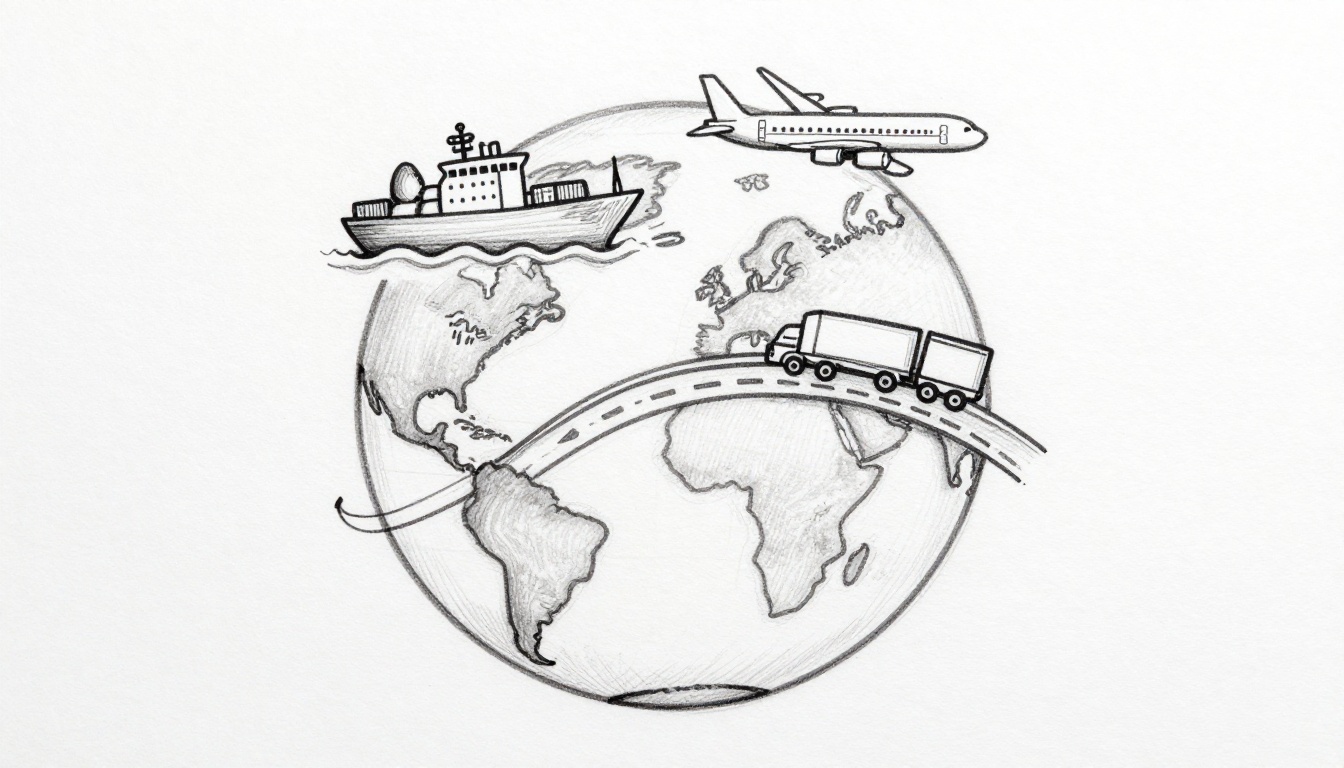
A fashion brand can miss a full sales cycle if its inventory sits too long in the wrong lane of sea freight. On the other hand, a tech firm can blow its budget when it ships heavy parts by air “just in case.” In most cases, you pick a mode based on the tradeoff you can afford: speed, cost, and risk.
Air shipping wins when you need fast delivery for high-value, time-sensitive goods. Sea shipping usually saves money for large or heavy shipments, especially when you’re moving full containers. Land shipping (truck and rail) helps you cover regional runs and last-mile gaps, so your cargo reaches the right door after the main move.
The tricky part is that today’s choices aren’t only “air, sea, or land.” Many companies use blended sea-air routes, sending bulk by ship and then switching to air for urgent legs. As a baseline from recent industry reporting, sea freight still handles most global cargo volume, while air carries a much bigger share of cargo value because high-value goods dominate.
Next, you’ll see the key factors that drive these decisions, then a simple guide to choose the best mode for your shipment.
Breaking Down the Pros and Cons of Air, Sea, and Land Shipping
Choosing a shipping mode is like picking the right tool for a job. Air gets you there fast, sea saves money on big loads, and land keeps things moving once you reach the right region. Still, every mode comes with tradeoffs in cost, speed, capacity, and climate impact.
Here’s a quick, side-by-side view to help you compare the basics before you match modes to your shipment needs.
| Mode | Typical transit time | Cost shape | Capacity | CO2 impact (general) |
|---|---|---|---|---|
| Air freight | 1-7 days | Higher cost per kg (often $4-8/kg) | Lower for bulk, tight space | Highest |
| Sea freight | 20-50 days | Lower for bulk ($2k-4k per container) | Highest, best for volumes | Lower than air |
| Land transport | Days to weeks | Varies by lane (often $6k-8k per rail move scale) | High regionally | Best when rail and intermodal work |
If you want a fuller mode comparison for planning, see Air Freight vs. Sea Freight vs. Rail in 2026.
In practice, companies rarely pick one mode forever. They combine modes to match the urgency of each part of the route.
When Air Freight Shines for Speed and Value
Air freight moves on a tight clock. That’s why it wins for time-sensitive goods like meds, replacement parts, and fast fashion. In 2026, air freight growth is steady (around 2.6% to 3-6% depending on the forecast), and rates are holding more stable than the wild swings of earlier years. Space can still get tight, especially as e-commerce spikes orders that need quick delivery.
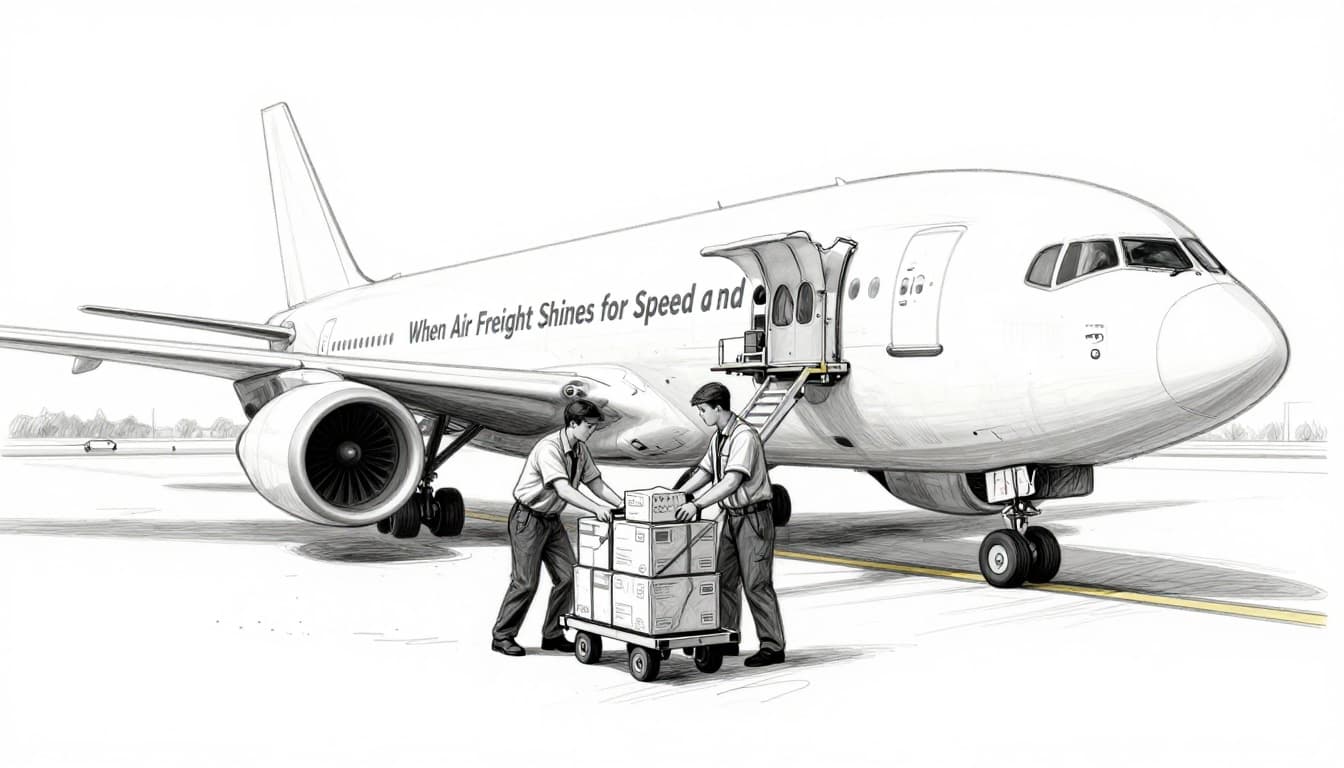
However, the downside shows up fast. Air is fuel-heavy per shipment, so it usually carries the highest CO2 footprint among the three. It also costs more, so it works best when the goods are valuable enough to “pay for time.”
Look at common 2026 patterns like China-US and EU lanes: air demand stays strong when companies face urgent replenishment cycles, seasonal drops, or supply gaps.
Sea Shipping’s Edge for Big, Budget-Friendly Loads
Sea freight is built for scale. When you’re moving thousands of tons of clothes, machines, or raw inputs, ocean shipping often wins on unit cost. For 2026, forecasts point to oversupply pressures that can pull rates down, but real-life disruptions still swing the numbers.
The Red Sea and Suez route issues are the classic example. When ships detour around the Cape, transit time stretches and fuel costs rise. Meanwhile, Panama Canal limits during drought periods can add delays and fees. On top of that, the EU’s EU-ETS carbon rules add costs on Europe-related voyages, which matters more for bulk carriers.
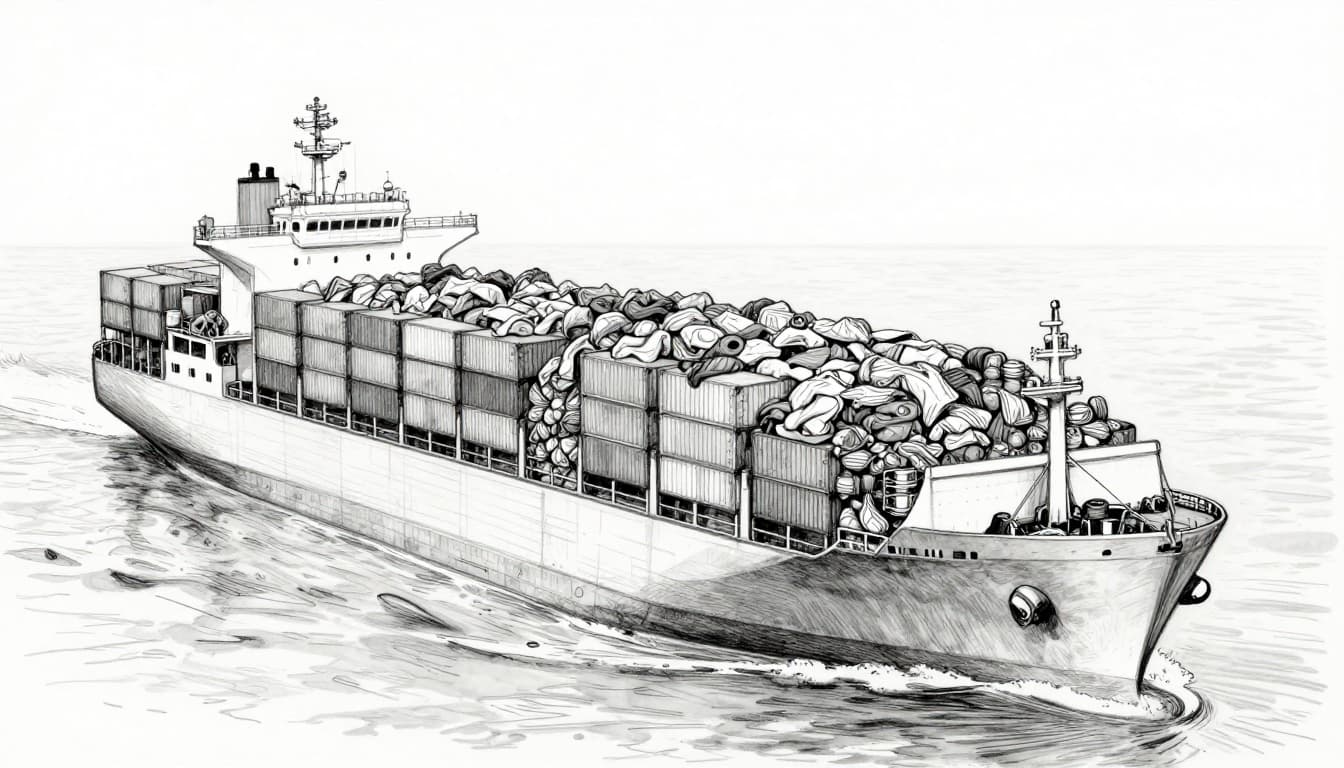
Still, sea freight’s biggest pro is simple: capacity. It moves the most volume, and it does it at a price that lets companies plan big buys. The cons are also straightforward: slower delivery, more exposure to route events, and variability when ports or canals get busy.
Land Transport for Reliable Regional Moves
Land shipping keeps your supply chain from stalling at the edges. In the US, road and rail handle much of the “in-between” work, especially for short and regional moves. Trucks win for flexibility and door-to-door convenience. Rail wins for moving lots of freight with better emissions performance.
In 2026, multi-mode planning matters. Many companies use intermodal routes, such as rail for the long middle and trucks for pickup and delivery. That approach helps reduce CO2, often because rail consumes less energy per ton-mile than trucking.
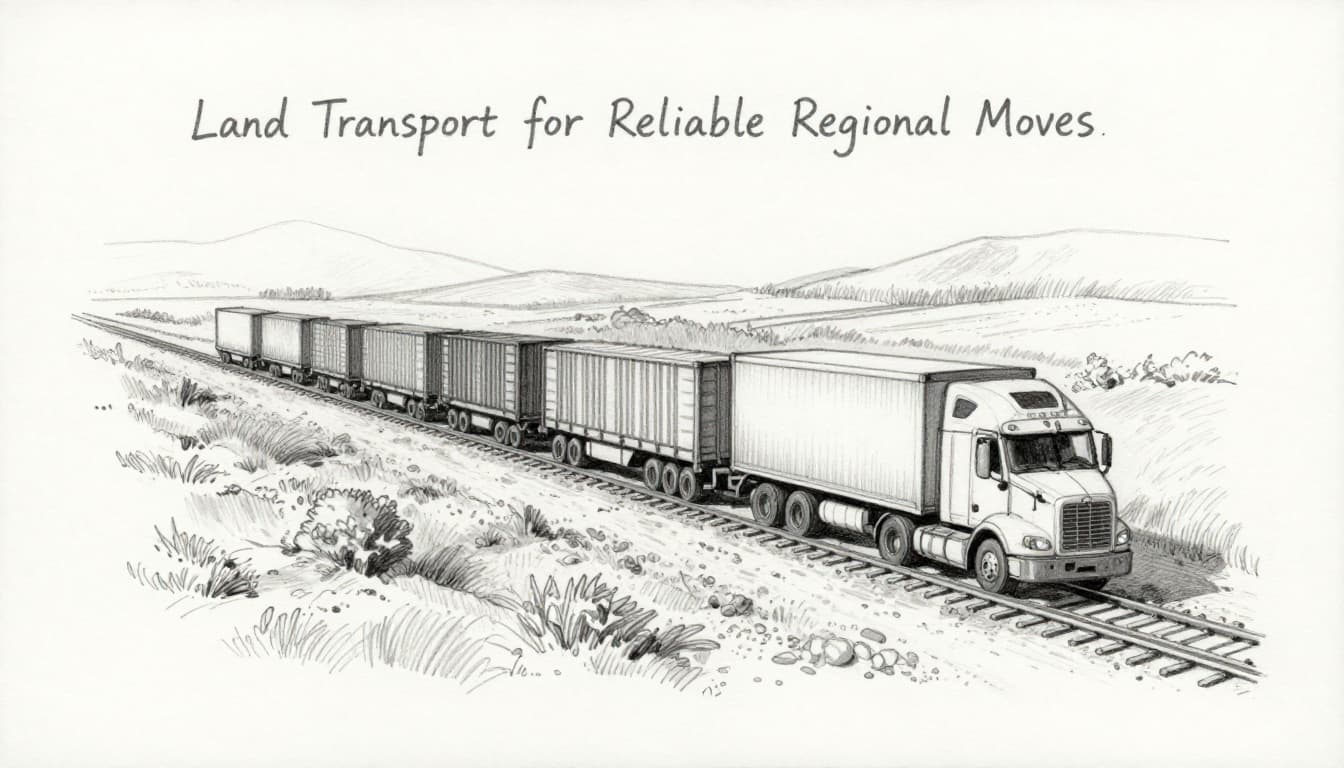
The tradeoff is reliability under real-world conditions. Trucks deal with traffic and weather. Rail can be efficient, yet it depends on schedules, yards, and how quickly containers move at transfer points.
That’s why land transport often becomes the “glue” in a multi-mode plan, especially when companies need regional reach and dependable handoffs.
Key Factors Companies Weigh Before Deciding
Before a company books a truck, ship, or plane, it usually does the same mental math. First, they ask what the cargo can “tolerate.” Next, they compare the bill against the cost of being late, damaged, or out of compliance. In 2026, that balance often shifts faster than supply chains do.
Balancing Speed Needs Against Shipping Costs
Air freight costs about 5 to 10 times more than sea freight. That price gap isn’t random, it reflects how much speed costs when you reserve limited space in the sky. For high-value, time-sensitive shipments, that cost can still make sense because delays hit sales, production, and customer trust.
Sea freight usually wins on volume savings. When you move big quantities, ocean shipping spreads fixed costs across more boxes and pallets. It also fits replenishment cycles where you can wait a few weeks without breaking the plan. However, sea transit is slower and more exposed to route disruptions.
Land shipping sits in the middle. It’s often cheaper than air, and faster than ocean for regional lanes. In the US, that can mean moving goods by truck for the last miles, or using rail for longer legs where schedules and transfer points work well.
Companies commonly treat shipping like a “speed dial.” They use air for the urgent parts, sea for the bulk, and land to close the gap at the edges.
A simple way to think about it:
- Air: Pay more to protect revenue timing (for example, replenishing a retail promotion).
- Sea: Save per unit when timing risk stays manageable.
- Land: Reduce handoff friction inside a region and speed up delivery.
How Cargo Type and Distance Shape Choices
Cargo type acts like a rulebook. Perishables (fresh food, flowers), and electronics (sensitive components) often need air because they can’t wait, and they benefit from faster transit and smoother planning. Bulky industrial loads (machines, construction inputs) typically fit sea better, since you get strong capacity and lower unit cost.
Distance then tightens the rules. For nearby moves, land shipping usually makes the most sense. For global moves, ocean often carries the mass. Then, companies plug the remaining fast ends with air when they need speed at the arrival hub.
In 2026, the “one mode only” mindset keeps fading. Many firms use sea-air hybrids. They send the bulk by ship to a major gateway, then fly the final legs for orders that need quick delivery, especially in Asia-Europe e-commerce flows.
Here are two common scenarios:
- A food importer needs shorter shelf-life risk windows, so they book air for urgent lots and use sea for calmer restocks.
- A manufacturer ships raw materials in steady volume, so they book sea, then move by land to factories once the container hits the region.
Environmental Impact and Regulations in Play
Environmental rules now influence routing, not just reporting. Air shipping generally carries the highest CO2 footprint per shipment, because aircraft burn fuel quickly over shorter distances. Sea freight emits less than air per ton-mile, and it’s moving toward lower-carbon options, but it still faces major compliance costs.
The biggest regulatory driver for ocean carriers and shippers is the EU ETS. Maritime emissions tied to voyages connected to the EU can add real freight cost pressure. Many logistics teams adjust quotes and routing options when they model carbon exposure, especially for frequent port calls. For a practical look at how the carbon rules show up in cost modeling, see EU ETS for Shipping: Carbon Cost Modeling for Container, Bulk, and Tanker Trades.
Rail often scores best on emissions in typical freight comparisons, which explains why companies pick rail when lanes and timelines allow. At the same time, they’re balancing “green options” against price and service level. In plain terms, you can’t green your way out of every deadline.
In 2026, compliance and carbon cost can matter as much as transit time.
2026 Trends and Smart Strategies for Better Choices
2026 shipping decisions look less like a single bet and more like a portfolio. You still want the best mode for the job, but you also need guardrails for what can go wrong.
Think of it like choosing driving routes in winter. The fastest road wins on a clear day. Still, you plan for detours, because traffic jams and storms happen. In shipping, the same logic shows up as hybrid sea-air options and diversified multi-mode plans.
The big market signals are hard to ignore: sea freight still dominates volume, while air moves fewer tons but carries far more value. Meanwhile, real-time friction keeps spiking, from port congestion to tariff swings and Suez uncertainty. As a result, companies aim to buy speed only when it actually protects revenue, service levels, or customer trust.
Another trend stands out. Many firms treat air like a strategic tool, not a panic button. They book air where it matters most, then use sea for the long pull. For mid-size shippers especially, that balance often beats waiting weeks for the “cheap option” to arrive.
If you’re looking for one practical example of how this mindset shows up, Flexport describes Sea-Air Express as a way to combine fast ocean legs with air uplift for speed-sensitive deliveries. You can see how the concept fits real trade lanes in Sea-Air Express for Asia to Europe.
In the next sections, you’ll see two 2026 strategies companies rely on when conditions shift.
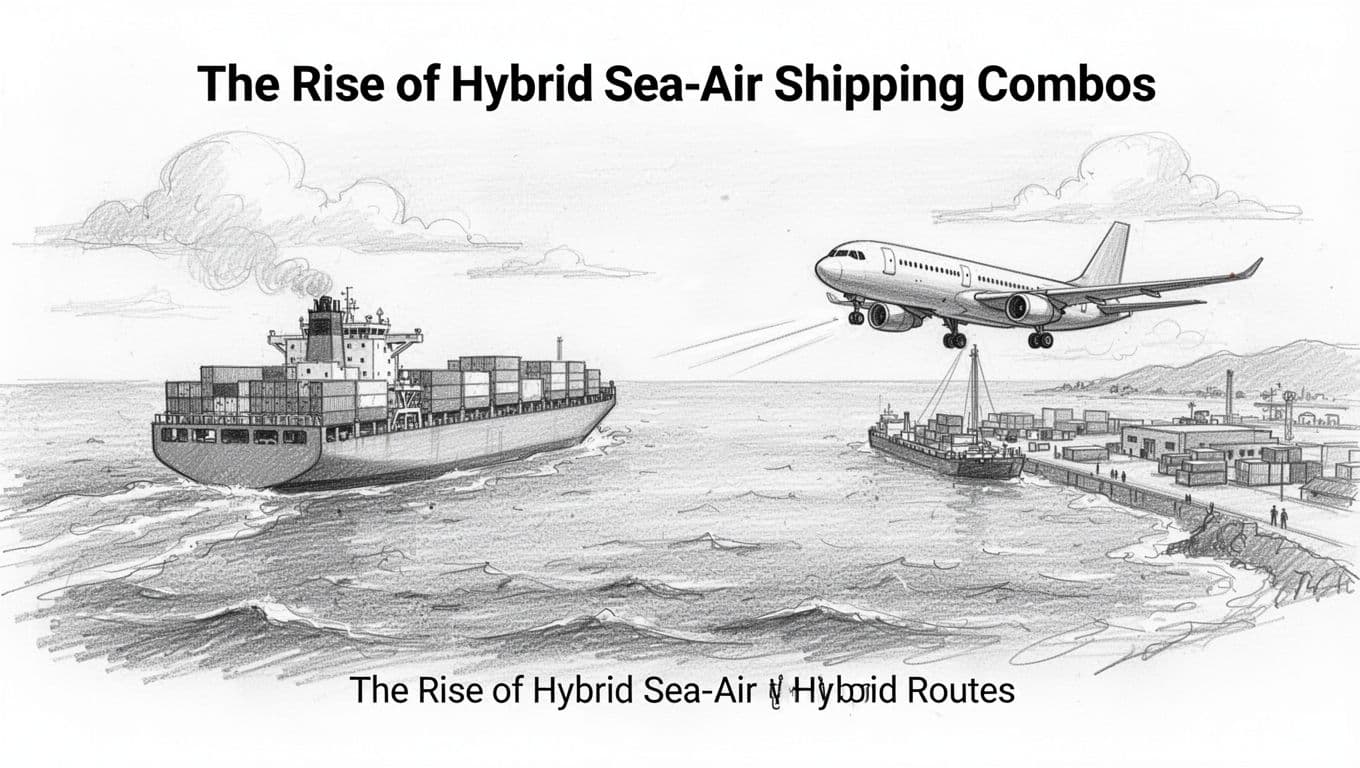
The Rise of Hybrid Sea-Air Shipping Combos
Hybrid sea-air is popular because it solves two problems at once: long-haul cost and last-mile urgency. Most companies don’t want to pay air prices for every mile. However, they also can’t afford weeks of delay when demand changes fast.
So what do they do? They split the journey.
- Sea handles the bulk and the budget: You move the heavy part on ocean for lower unit cost.
- Air covers the time-sensitive edge: You fly the leg where delays create real damage.
- Transfers become the control point: You manage risk where cargo changes hands.
This “two-speed” approach is especially attractive to mid-size firms. They often lack the buying power of the largest shippers. Still, they can plan smarter than pure air, and they can move faster than pure sea.
Hybrid also helps you beat delay cycles that show up year-round. Ports can run hot during storms, holiday spikes, or reroutes. When that happens, companies use air uplift when the clock matters, instead of forcing every shipment into the same slow lane.
In 2026, the timing case gets even stronger. Freight markets reflect sea oversupply pressure, while air demand stays uneven. Even when air rates soften, reliability and speed remain valuable for certain SKUs. Meanwhile, ocean still runs into volatility when congestion rises or sailings change.
For a visual sense of how the handoff works, hybrid looks like this:
A key win here is not just faster delivery. It’s better service planning. You can book inventory closer to demand spikes, because you’re not trapped waiting for the slowest leg.
If you want a supporting view on how shifting rates can open strategy windows, CXTMS talks about air-to-ocean modal shift when air costs ease for time-sensitive goods. The takeaway is simple: rates can change your mix, so your plan must stay flexible.
Navigating Disruptions with Diversified Plans
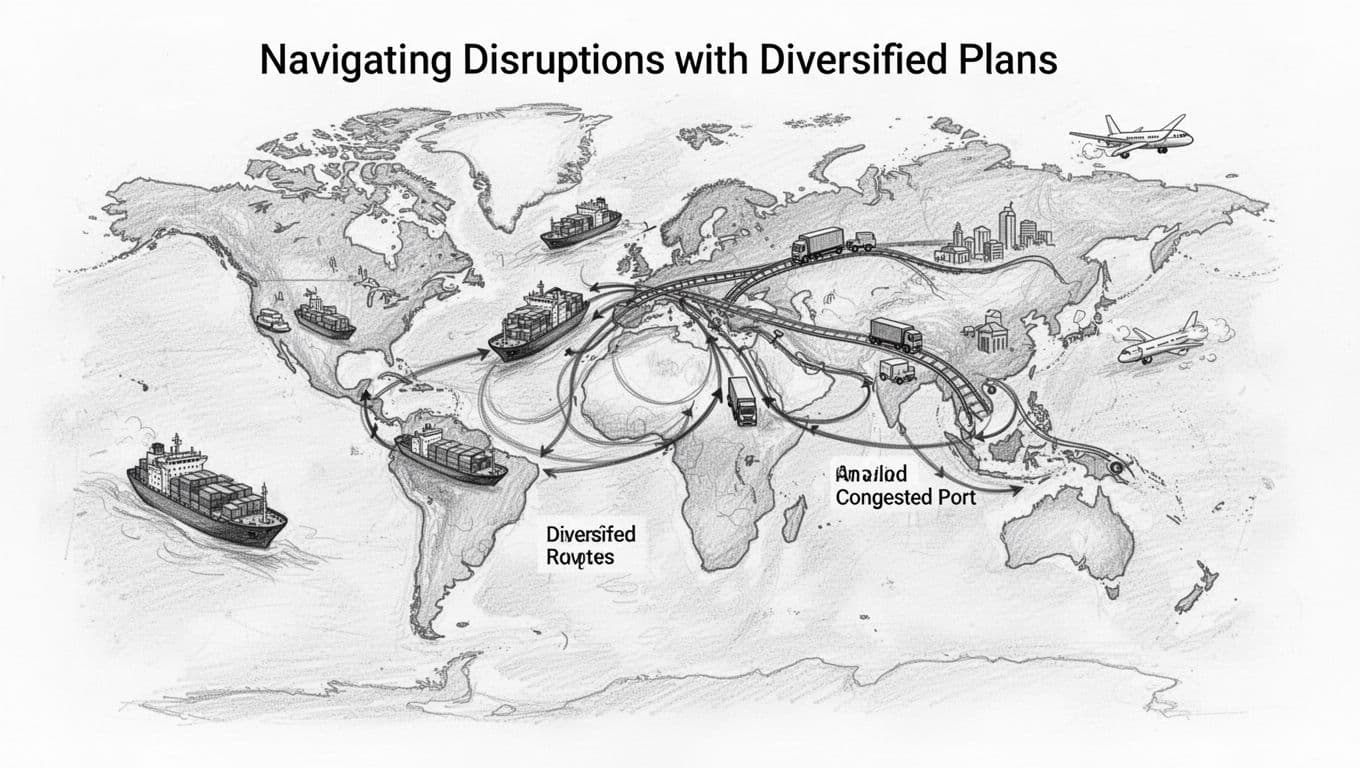
In 2026, disruptions don’t behave like one-time events. They come in waves, and they hit different ports and lanes at different times. Because of that, many shippers stop betting everything on one route.
Instead, they build diversified plans that can absorb shocks. Port jams, tariff changes, and Suez uncertainty all push the same lesson: if one path slows down, you need another option ready.
This strategy often uses multi-mode execution. You combine sea, land, and air depending on what breaks first. Then you back it up with stronger tracking and clearer decision rules.
Here’s what diversified plans usually include:
- Multi-mode routing: Use sea for distance, land for regional legs, air for urgency.
- Multi-carrier or multi-lane options: Don’t rely on one carrier or one port call.
- Scenario planning: Decide what you do if transit times stretch by one, two, or three weeks.
- Tracking tech tied to action: Alerts aren’t helpful unless someone responds.
Port congestion is a great example. When ports slow down, delays stack up, and the cost often shows up later through demurrage or storage fees. That’s why teams work on better documentation and earlier checks, so containers clear faster when the yard gets busy. For a “2026 solutions” style view, Four Sons Logistics summarizes 2026 container shipping cost outlook and why delays and surcharges keep rising.
Tariffs add another layer. Duty changes can turn one lane from “cheap” into “expensive overnight.” To respond, firms move toward regional networks and multi-sourcing, so they can reroute without losing the whole plan. You can see this theme in tariff swings and reshaped supply chains.
Suez uncertainty is similar, but with time risk. When ships detour, transit time shifts quickly. Sometimes the Suez Canal returns to smoother operations. Other times, disruption keeps the market tight and forces new routing decisions. That means diversified plans should treat route changes as normal, not as an exception.
The “diversified” look is like a map with multiple paths, not a single straight line:
Most importantly, tracking tech matters when it triggers decisions. Modern visibility helps teams spot early signs of slowdowns, then adjust bookings, revise customer promises, or switch modes before it gets expensive.
Diversification isn’t about doing more work. It’s about buying fewer surprises.
Conclusion
Companies choose between air, sea, and land shipping by running the same tradeoff test each time, speed versus cost, matched to cargo type, distance, and risk. When speed matters and the goods have high value or tight timing, air freight usually wins. When you need to move a lot for the lowest unit cost, sea freight typically fits best, while land shipping supports regional reach and reliable handoffs.
In practice, the best results come from comparing options step by step, then stress-testing hybrids like sea-air for the parts that must arrive fast. So next, audit your next shipment using a simple checklist for cost, lead time, and delay impact, then talk with a logistics pro before you lock in your mode.
Which factor would hurt you most if it goes wrong, late delivery, higher cost, or higher risk to the product?