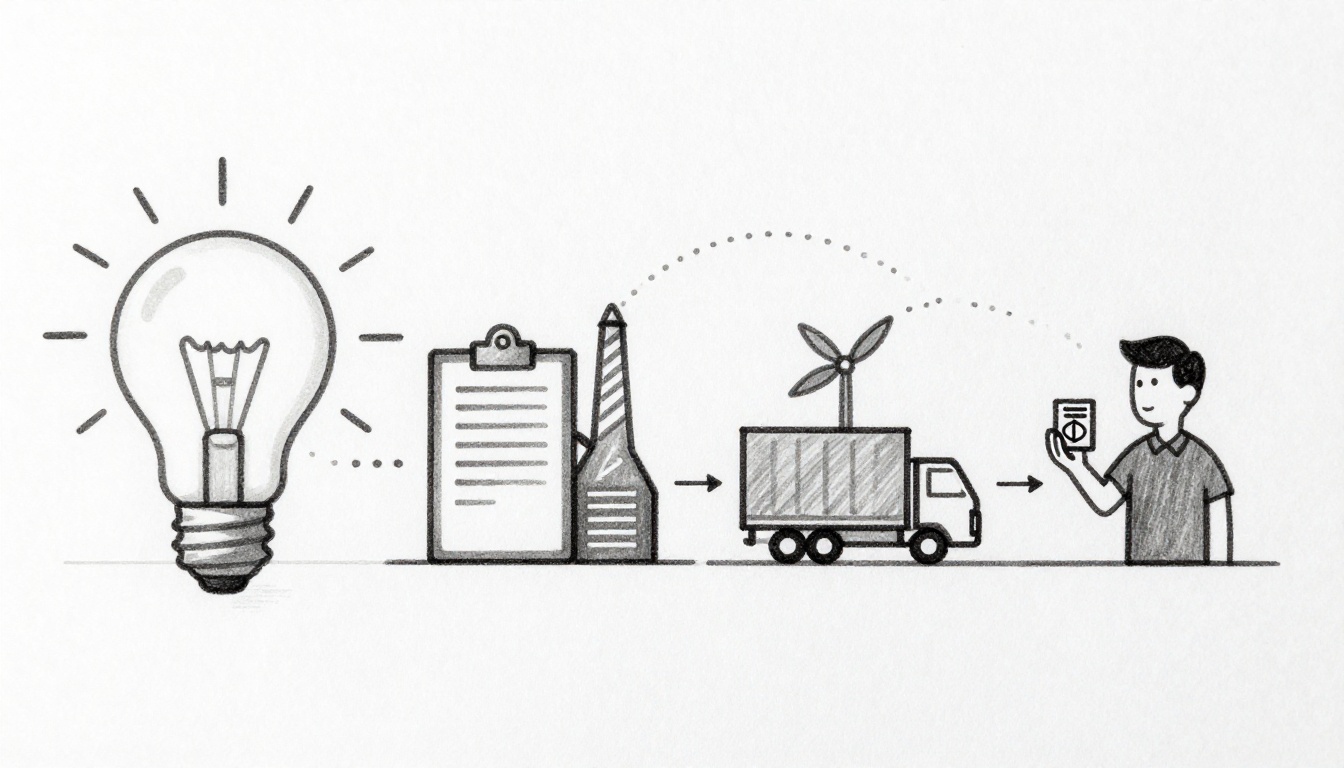
Ever grab a new smartphone, coffee maker, or sneakers off the shelf and wonder how they got there? The jump from “idea” to “delivered to your door” looks simple from the outside. Yet it’s packed with decisions, tests, and tradeoffs behind the scenes.
In 2026, teams move faster because AI helps them spot better ideas and catch problems earlier. At the same time, sustainability is getting more measurable, so companies track materials, energy use, and shipping impact.
The result is a product journey that feels quicker for you. But it also depends on a lot of careful work by multiple teams. Next time you buy something, it helps to know what had to go right.
Let’s pull back the curtain on each stage, from the first customer clue to the final truck route.
How a Simple Idea Sparks into a Product Plan
It usually starts with a boring moment: a complaint, a survey response, or a pattern in support tickets. Then a product team turns that clue into a question. “What could we build that would help people sooner?”
Next comes ideation, where teams look at customer needs and competitor moves. They also scan trends and behaviors, then rank what matters most. In 2026, AI helps speed up this step by sorting signals from reviews, social posts, and sales data. It doesn’t replace people. It reduces the time spent staring at spreadsheets.
However, speed matters only if the idea survives real constraints. So teams add early checks for cost, materials, and environmental impact. For example, they might filter concepts using “what materials do we want to use?” and “can we source them responsibly?”
From there, the work shifts into design. Teams write clear specs, define the user experience, and plan what features are worth building first. They often use agile sprints, so they can adjust quickly after feedback. If personalization is needed, they explore options early, not after the design locks.
Want a useful model of how teams structure the product lifecycle in 2026? This overview of the product development life cycle stages, tools, and trends can help you connect the dots: Product Development Life Cycle in 2026.
Spotting Gaps in the Market
Market research doesn’t mean one big study. It means constant listening. Teams track what customers ask for, where they get stuck, and what they praise in other brands. They may run weekly interviews, monitor online reviews, and compare competitor listings.
Then needs show up fast. Eco-packaging is a great example. One month customers ask for a refund policy. The next month they ask for lower waste. If a product team hears enough of the same signal, they build a roadmap that matches the shift.
AI plays a bigger role here in 2026. It can summarize feedback, group similar complaints, and flag themes you might miss. Instead of waiting for a quarterly report, teams see patterns sooner. That helps them decide faster which gap to target.
Still, “the best idea” is rarely the first draft. So teams keep a short list of possible directions, test assumptions, and ask which problem feels urgent. If a change saves time for customers, it often beats a feature that looks cool on day one.
Think of it like planning a road trip. You don’t pick a destination based on one sign you saw. You pick based on many hints along the way. Market gap spotting is that hint-hunting process.
Turning Concepts into Detailed Blueprints
Once teams pick a direction, they move from vague ideas to working blueprints. This is where product design becomes measurable. Every feature needs a decision: size, materials, layout, heat tolerance, battery needs, and how it holds up with daily use.
Because feedback can change everything, many teams use rapid iterations. They’ll build mockups, gather user input, then adjust the design in the next sprint. The goal is simple: reduce guesswork before money hits production.
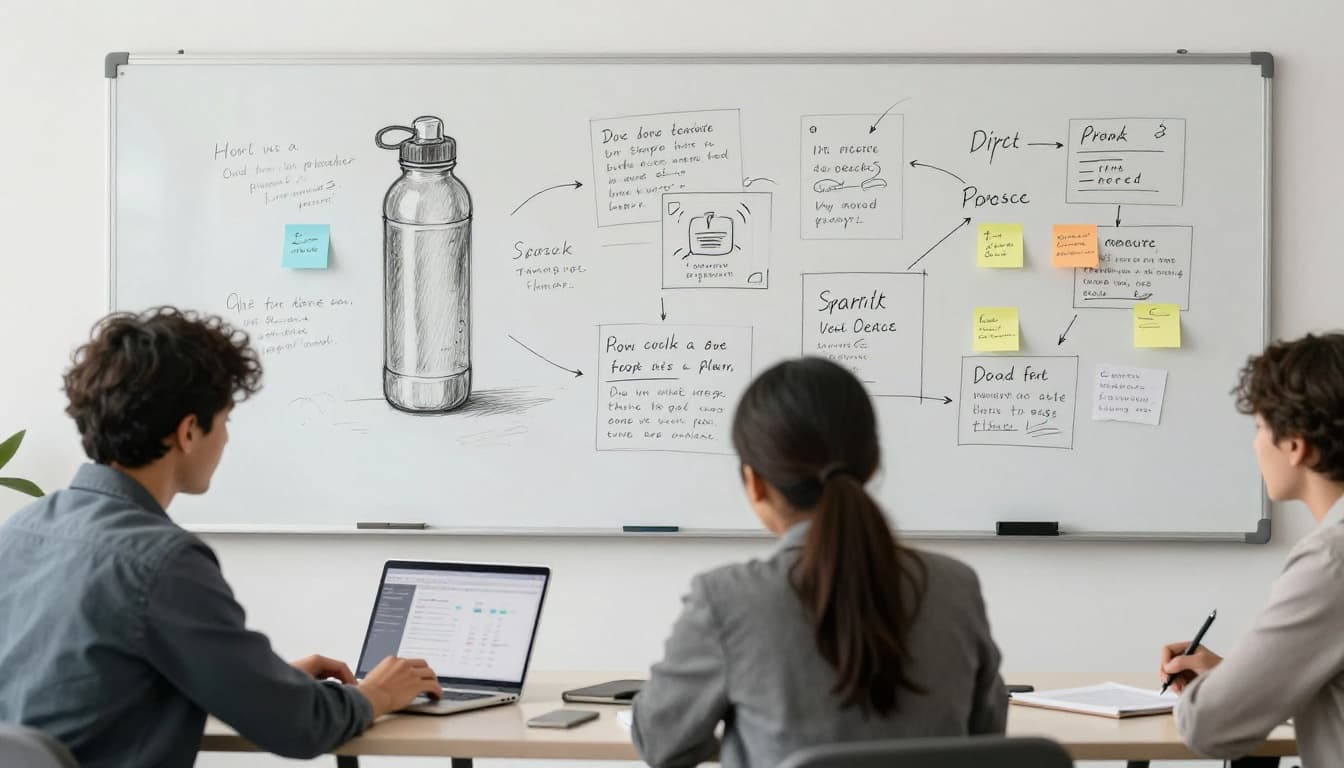
User-centric design also matters. Teams think about how people actually use the product. A water bottle design, for instance, isn’t just about looking nice. It’s about grip, cap feel, leak risk, and how the lid works with one hand.
If you want a practical guide to how product teams approach design and innovation steps, here’s a helpful resource for 2026 thinking: Guide to Design Product Innovation for Success in 2026.
In the background, teams keep roadmaps balanced. They weigh what customers want against what manufacturing can handle. They also consider personalization without exploding cost. When the blueprint finally feels “buildable,” it’s ready for the prototype stage.
Prototypes and Tests: Making Sure It Works Before Mass Production
Production doesn’t start until the product behaves the way it should. That’s why prototyping and testing happen early. Think of it like cooking. You taste the sauce long before serving a full dinner.
Teams create test units in stages. First, they build a basic version to check shapes, fit, and basic function. Then they refine. In 2026, AI simulations can help teams spot weak points earlier, which means fewer costly redesign cycles.
At the same time, many companies still build real prototypes. Digital tests help, but real-world use reveals things simulations miss. That includes how parts wear over time, how surfaces scratch, and how users press buttons without reading the manual.
Below is what testing often covers in practice:
- Usability trials: Can people use it fast, without frustration?
- Performance checks: Does it meet speed, power, and heat needs?
- Durability tests: Will it survive drops, bumps, and repeated use?
- Safety reviews: Does it pass regulations and risk checks?
A common mindset in 2026 is faster learning. Digital tools cut time between ideas and prototypes. But testing still follows real evidence, not hype.
The product you buy is the winner of many small “almost worked” versions.
Crafting the First Test Versions
The first test versions focus on proof, not perfection. Teams use fast methods like 3D printing, CNC models, or modular assemblies. That lets them see the design in real space, not just on a screen.
Next, they compare what they planned to what they built. If the cap leaks, the grip feels awkward, or the hinge binds, they mark each issue. Then they update the next prototype sprint.
AI can speed up prototype work, too. Some teams use AI-powered tooling to explore variations and measure early feedback signals. For example, teams may turn research notes into prototype directions, then validate which concept people actually like. If you want to see how AI-focused prototyping workflows aim to move from concept to validation, this platform is one example: AI-powered prototype research tools.
Even with tools, the loop still depends on people. Designers and engineers refine details based on what they learn. Meanwhile, product managers keep the scope under control. They ask a simple question each sprint: “Does this change improve the user outcome enough?”
For many teams, the biggest win is catching mistakes early. That saves weeks later in manufacturing. It also prevents costly recalls, which can ruin trust fast.
Running Tough Safety and Performance Checks
Safety and performance tests help teams avoid the “works in the lab” trap. So they automate what they can, then do hands-on checks for what automation can’t cover.
First, teams set measurable targets. For wearables, that might include heat and sensor stability. For small electronics, that might include battery stress tests. For food or beverage products, it can involve contact safety and leak prevention.
Next, they run repeat tests to catch edge cases. A single failure might look like a fluke. But a pattern proves something needs change. Teams then fix the root cause, not just the symptom.
When you hear about quality issues, remember this stage. It’s where teams try to break the product early, so you don’t have to live with the failure.
From Factory Floors to Global Shipping: The Production Push
Once the prototype checks out, the plan shifts to scale. Mass production adds new pressure. Parts must match every time. Materials must stay consistent across suppliers. Machines must run for long hours without drifting.
In 2026, manufacturers use AI to optimize production lines. They monitor output and reduce downtime through smarter scheduling. Also, cloud systems help track issues across sites. If one plant sees higher defect rates, teams can compare data and act quickly.
Sustainability also becomes part of the production math. Companies aim to reduce waste, reuse parts when possible, and cut energy use. In many cases, they track materials more closely, so they can prove what went into the product.
Supply chain resilience matters even more now. Shortages still happen. So teams use predictions and planning tools to shift inventory and supplier schedules. Some companies use digital twins, which are virtual models of factories and processes. They help teams test “what if” scenarios without disrupting real production.
Then comes logistics. Route planning tries to balance speed, cost, and emissions. Some companies use more local sourcing to avoid long haul delays. Others adjust packaging to use reusable or recycled materials.
Scaling Up Production the Smart, Green Way
Scaling isn’t just turning up machine speed. It’s keeping quality stable while output rises. Teams often run parallel pilot batches before full production. That way, they catch drift in assembly and tolerances.
Hybrid agile methods also show up in manufacturing. Teams use short improvement cycles to fix small problems fast. Meanwhile, real-time monitoring flags issues like misalignment, bad batches, or unexpected wear.
On the green side, companies focus on practical steps. That includes energy-saving factory settings, better material yield, and fewer rejected units. Also, they consider packaging that reduces waste during shipping and returns.
If you’ve ever wondered why some products feel “more consistent” than older versions, this stage explains it. The product gets tuned not just for design, but for repeatability.
Navigating Supply Chains and Final Delivery
After production, products enter the shipping maze. This is where AI can help again, but in a different way. Instead of designing features, it helps plan timing and reduce risk.
Companies track shipments and inventory status across the supply network. If weather or port delays hit, systems can reroute. That reduces the chance of a product sitting in limbo for weeks.
Sustainability trends also connect here. Many firms aim to “make where you sell,” which means building closer to customer markets. That can cut long-distance transport and help with reliability.
For a broader look at supply chain trends in 2026, including AI adoption and shifts in network planning, this report-style overview is a helpful read: 2026 Supply Chain Trends | Clarkston Consulting.
In the end, a product’s journey overlaps stages. Factories may produce while logistics prepare shipments. Warehouses receive and sort while retail partners plan display. Agile planning keeps the handoffs smooth.
Your purchase happens at the very end. But the work started long before.
Conclusion
That new product in your hand is the result of a long chain of decisions. First, teams spot real customer needs. Then they test ideas, refine prototypes, and stress the design until it holds up.
In 2026, AI speeds up learning, and sustainability is tracked with more detail. Because of that, products often reach customers faster, with fewer surprises.
So when you buy something, picture the people behind it. Engineers, designers, testers, buyers, and drivers all play a part.
What’s your favorite product, and what do you think took the longest behind the scenes? Share your story in the comments, and you might inspire someone else’s next great purchase.