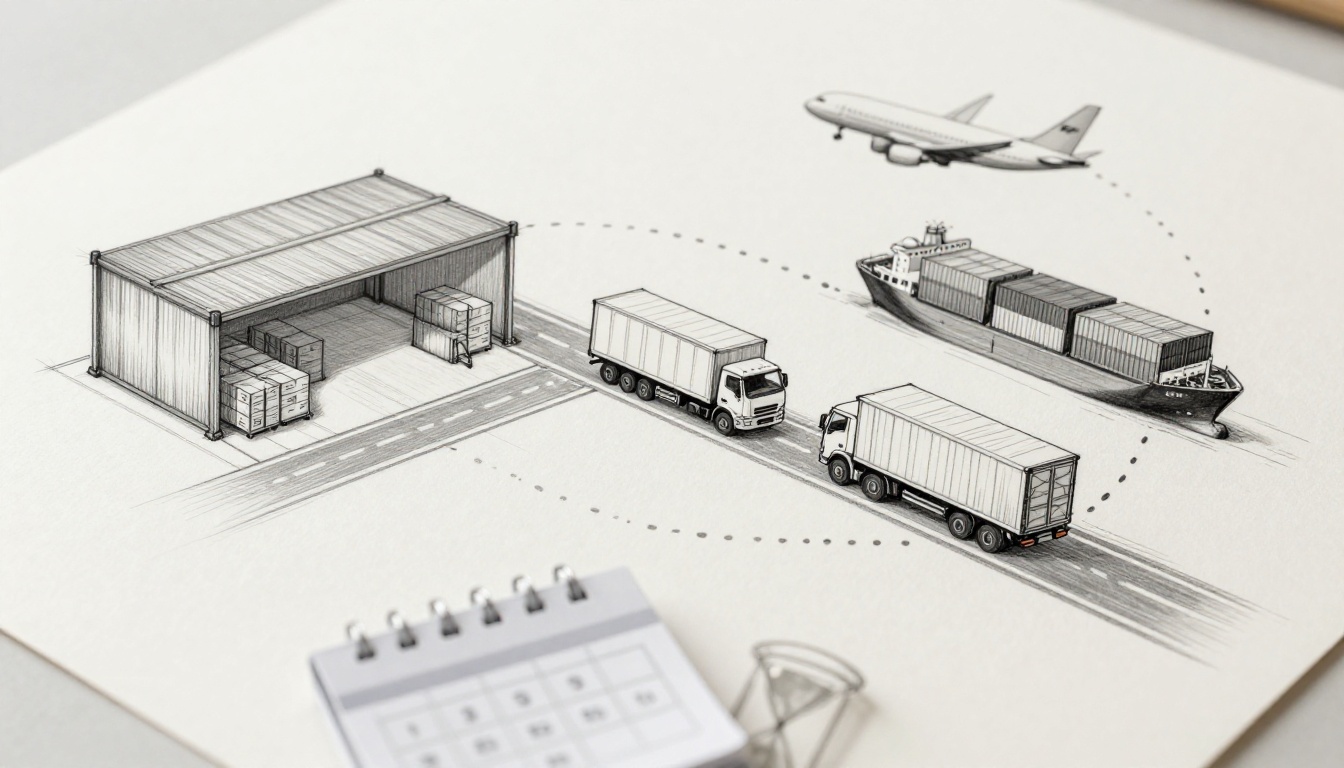
You check the tracking app again, and the delivery date slips. Again. It feels like waiting on a hot new gadget that promised “quick shipping.”
In March 2026, e-commerce is still booming, with 2026 global sales projected at about $6.88 trillion (close to $7 trillion). Yet delivery times keep getting stretched by real-world problems, from supply chain backups to carrier stress and sudden demand surges.
If you’ve ever wondered, “Why is my order still stuck somewhere in the middle?”, you’re not alone. And if slow delivery scares you off, you’re reading the numbers correctly, too. In one common shopper survey, 21% of shoppers said they abandon carts due to slow delivery fears. Now let’s break down the hidden culprits that cause delays, so you can shop smarter and wait less.
Supply Chain Bottlenecks That Slow Down Your Package
A delay rarely comes from one single mistake. Instead, it’s usually a chain reaction, where one bottleneck makes the next one worse.
Think of a warehouse like a busy kitchen during a lunch rush. Orders come in nonstop, but prep stations still take time. If the staff is short or one ingredient is missing, every dish after that runs late. In shipping, the “ingredients” are inventory, labor, and transport capacity.
Another reason delays feel random is that many systems only update at certain times. Your tracking might look calm while internal queues keep growing.
Inventory Shortages and Fulfillment Overload
When demand hits hard, popular items can sell out quickly. Then fulfillment teams have to wait for restocks before they can pack and hand off your order. That’s why your status might flip between “processing” and “preparing shipment” for longer than expected.
Even if a store has more inventory “somewhere,” that doesn’t help if it’s in the wrong place. For example, a product might be available in another region, but it still needs to move into the right warehouse near you.
Backlogs also form when order volume climbs faster than picking, packing, and shipping capacity. Tracking tools can show movement, but they can’t ship faster than the bottleneck allows.
Here’s a quick reader-friendly way to spot this risk: check stock status before you buy. If a listing says “low stock,” “backorder,” or “ships soon,” your delivery window likely depends on a restock schedule, not just carrier speed.
This problem matters because demand keeps rising. With e-commerce still expanding, many sellers struggle to keep inventory aligned with what customers want right now. In one recent industry snapshot, 78% of Amazon sellers reported experiencing big delays last year. Even if your item is “in stock” today, the warehouse workload can still push your specific shipment into a later batch.
Global Logistics Strains from High Volumes
International shipping adds another layer. When products move across oceans, delays can come from port congestion, slower processing, and extra checks.
Right now, container shipping times remain stretched. One industry report found that container ships traveling from Asia to the US average 67 days, up from 40 days earlier, driven by congestion and trade issues. Some busy ports add 7 to 14 days at the busiest points, too.
That matters because it affects both:
- When goods arrive at US warehouses
- How much inventory sellers can keep available locally
When companies can’t get items into the country quickly, they refill slowly. Then every backup shows up later as “processing delays” or longer estimated delivery dates.
Bulky items often get hit harder here. They take more space, can require extra handling, and may wait longer for the right transport plan. So even if your package is “loaded,” it may not leave the dock until enough shipments are grouped.
Understanding these bottlenecks helps you spot patterns. If a seller routinely ships from outside the US, delays are more likely when global lanes get crowded.
Carrier and Shipping Headaches Hitting Deliveries Hard
Once a package leaves the warehouse, it enters the carrier world. And that’s where “in transit” can mean a lot of different things. It might be moving, or it might be waiting for space on a truck, a linehaul route, or a local delivery run.
The last mile is where delays feel the most personal, because it’s closest to your door. Unfortunately, that part of the system runs on tight schedules.
If you’ve ever seen “out for delivery” and still waited another day, it’s usually not magic. It’s often route planning, staffing limits, or a package that missed the morning scan.
Driver Shortages, Strikes, and High Turnover
Labor shortages can slow deliveries in a direct way. If carriers can’t staff enough drivers, packages sit longer between handoffs.
For the US trucking network, the driver shortage is still a serious issue. In 2025, trucking was short 60,000 to 80,000 drivers. Over the next 10 years, the industry may need about 1.2 million new drivers to replace retirements and meet demand. Many drivers are also aging out, with the average truck driver around 46 years old. Meanwhile, about 42% of freight companies list driver availability as a top concern.
Now, what about strikes? In March 2026 reporting, there weren’t major strike events tied to USPS, UPS, or FedEx in the US. However, that doesn’t mean labor pressure vanished. For example:
- USPS raised prices on some services in late March 2026, tied to transportation costs.
- UPS planned to cut up to 30,000 jobs and close 22 buildings in 2026, which can shift schedules and capacity.
- DHL Express reported that workers voted 96% to authorize a strike starting March 31 if no new contract. That won’t affect every US shipment, but it shows how fast disruptions can spread.
When staffing shifts, carriers often adjust routes and delivery cutoffs. That’s why “next day” can slip even when the package is already nearby.
So what can you do as a shopper? Choose carriers with clear tracking and a strong delivery record in reviews, not just a cheap price. A reliable carrier may not be the fastest on paper, but it can be steadier.
Delivery dates change most often when carriers lack workers or route space, not when the sender “forgot.”
Traffic Congestion and Unreliable Gig Services
Even without labor problems, cities can slow everything down. Traffic jams create ripple delays, especially when routes depend on tight stop times.
The same is true for bad weather. Snow, heavy rain, and storms can block roads and slow package handling. In those cases, delays aren’t “one warehouse problem” or “one carrier problem.” It’s a full system squeeze.
Gig delivery services can also add uncertainty. Some services can be fast during peak hours, but they rely on drivers accepting jobs and showing up on time. If the driver bails or the pickup misses the cutoff, the package waits for the next available attempt.
That’s also why the phrase “out for delivery” doesn’t always mean your package hits your mailbox by the first route of the day. It can mean your package made the local batch, but your neighborhood stop comes after traffic and scan timing.
If you want a simple mental model, use rush hour. When roads get packed, even a short distance takes longer. Shipping is basically “rush hour” for a whole day of routes.
Demand Surges and Backorders Stretching Wait Times
Some delays happen because everyone wants the same thing at the same time. E-commerce booms can create a mismatch between what shoppers order and what warehouses can pack right away.
Sellers also face cost pressures. Faster shipping costs more. So instead of moving each order immediately, many systems batch shipments to cut costs. That can stretch delivery windows without the seller changing the advertised shipping method.
Demand spikes can also trigger backorders. Then you get tracking updates, but the key step, “packed and shipped,” waits for restocks.
E-commerce Boom Overwhelming Order Systems
When shopping volumes spike, order systems get overloaded. That can mean queued shipments, slower pick rates, and packed trucks that leave later than scheduled.
In 2026, e-commerce keeps growing. Global sales are projected around $6.88 trillion, and e-commerce is expected to represent 21.1% of all global retail sales. On top of that, the US alone processes a huge number of packages daily. One projection mentions 66.8 million US packages moving each day, which shows how fast the system must operate.
Even a small slowdown inside warehouses can create a noticeable delay for your specific order. A shipment that would normally leave today might move into a later wave because the packing floor stays busy.
This is also why “processing time” can be longer than you expect. Processing is not just a label. It includes picking inventory, matching items, checking quality, and handing off to the shipping network.
Backorder Signs You Should Watch For
Backorders often show up quietly before you feel the delay. You might see:
- “Ships soon” language
- Limited stock with a later replenishment date
- Delivery windows that keep widening
If you’re trying to avoid long waits, don’t ignore the checkout clues. Cart abandonment data shows how sensitive shoppers are to delivery and checkout friction. For example:
- In the US, 48% of abandoned carts happen due to unexpected shipping costs or extra fees.
- 39% of US shoppers cite shipping, taxes, or fees as the reason.
- Sites with free shipping show lower abandonment (55% vs. 77% for paid shipping in one dataset).
Now connect that to delays. If a seller shifts more costs onto shipping, some shoppers filter out. That sounds good, but it can also mean the seller’s remaining orders become more concentrated. Then the warehouse gets hit with fewer cancellations and more “must ship now” pressure.
Also watch bulky or heavy products. They often take extra time in handling, and they may use different transport routes. If you’re comparing sellers, a “slower” listing that still ships from a nearby warehouse can beat a “fast” listing that imports later.
The best move is simple: check estimated ship date, not just delivery date. If the ship date is already pushing out, you’re likely in backorder territory.
Customs, Weather, and Other Surprise Delayers
Sometimes the delay has nothing to do with the seller or carrier. International shipping adds border steps. And weather can compound problems across every layer.
Most of the time, the delay shows up as longer “in transit” time or a paused tracking event.
International Customs and Trade Rules
Cross-border shipping often means extra checks. These checks can include verifying paperwork, applying duties and taxes, and running through safety or privacy rules.
When goods move internationally, they also face uncertainty about how long processing takes at each checkpoint. That uncertainty can snowball. If a container misses one schedule window, the goods can sit until the next processing batch.
One reason this affects delivery dates is simple: customs bottlenecks change where inventory sits. If goods spend more time in transit across borders, sellers have less inventory ready in US warehouses. Then the next wave of orders waits longer at every step after that.
If you want fewer surprises, consider buying from domestic sellers when possible. You’ll avoid the biggest “unknown time” parts of the delivery chain.
Weather Events Worsening Road and Route Delays
Weather doesn’t usually start the whole delay by itself. Still, it makes every existing problem worse.
Bad weather can:
- Slow trucks and plane schedules
- Increase failed delivery attempts
- Cause longer sorting and scanning at hubs
If your tracking updates look messy during a storm, it may not be a mistake. The carrier may just be dealing with routing limits and slower handling.
So when you see delay updates, keep your expectations grounded. Bad weather doesn’t just add time, it changes routes and delivery order. That pushes some packages into later blocks.
Conclusion: The Real Reasons Behind “Endless Delays”
So why do some products take longer to arrive? Most delays come from a system mismatch: inventory isn’t ready when demand spikes, carriers have limited route or labor capacity, and international steps or weather can add extra time.
When you know the main culprits, you can shop with more control. Check stock status, pay attention to the ship date, and choose carriers or sellers with steady tracking history. For international orders, expect that customs steps can shift timelines even when everything else looks fine.
Next time the tracking app feels like it’s toying with you, use the clues you have. Look at what stage the package is in, and choose faster options only when they come with real inventory readiness.
What’s the longest delay you’ve seen on a tracking page? Share your story and what you learned, then try one of these tips on your next order.