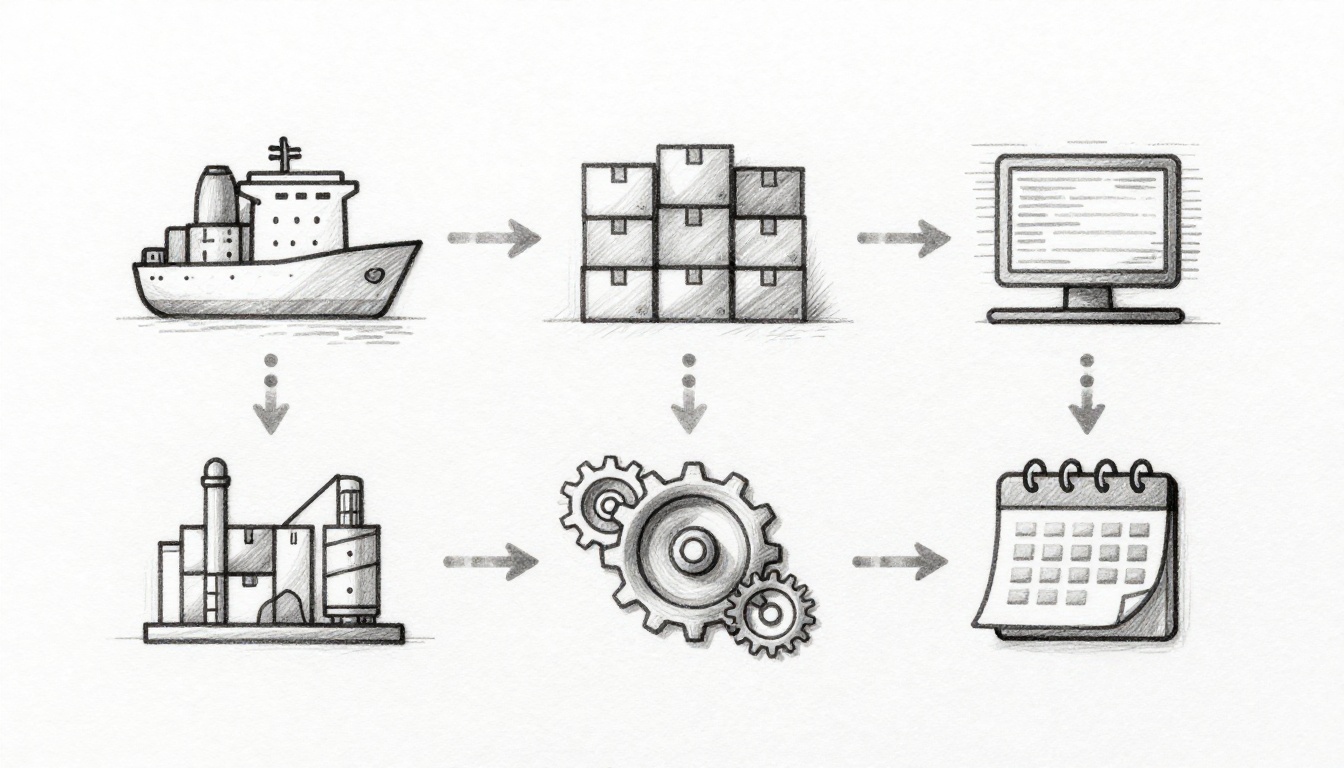
Delays and shortages don’t show up like a storm on a clear day. They arrive as a chain reaction, tariffs first, then ports, then parts, then prices. In 2025, tariff shocks pushed many importers to front-load shipments, and the bill came later in storage fees and cash tied up in inventory.
Then a cyber incident can shut production overnight. Jaguar Land Rover’s 2025 attack halted vehicle output worldwide, and the ripple reached dealers and parts suppliers.
So when you ask how companies handle delays and shortages, the real answer is simple: they plan before problems hit, they communicate during the mess, and they build backup options so one disruption doesn’t break the whole business.
This guide breaks down why supply chains stalled in 2025 and early 2026, what companies did to manage inventory without guessing, and how they kept customers and teams calm. You’ll also see what real brands changed, and what you can copy to build resilience for your own operations.
Top Reasons Supply Chains Face Delays and Shortages Right Now
In March 2026, many companies aren’t dealing with one shortage. They’re dealing with stacked pressure: trade rules, cyber risk, and holiday shutdown timing.
Here are the biggest drivers behind delays and shortages right now:
- Tariffs and trade friction: In 2025, U.S. tariffs on China, Mexico, and Canada made importers rush goods in advance. In one survey, 85.6% of importers reported front-loading shipments.
- Cyber attacks: When IT systems fail, factories can’t schedule work, order parts, or manage quality checks. Jaguar Land Rover’s shutdown is a clear example.
- Holiday slowdowns: Chinese New Year 2026 created factory shutdowns and port congestion. Deliveries slipped by 3 to 4 weeks, sometimes longer.
The impact shows up fast. You see higher costs, slower sales, and shortages in items like steel, chips, and auto parts. Construction teams feel it when beams and components arrive late. Electronics brands feel it when chip supply tightens. Auto makers feel it when one missing part stops an entire line.
As a result, companies shift from “just in time” to “just in case,” even if it costs more. Otherwise, the risk of stockouts and missed launches grows.
How Tariffs and Trade Wars Create Instant Chaos
Tariffs change the math for every decision. When costs jump suddenly, companies scramble to avoid paying the new rate on the next shipment.
In 2025, that led to a classic pattern. Orders moved earlier than planned, so supply chains got crowded. Then, later on, importers hit a hangover.
Those effects can be measured in operational pain like:
- Storage costs rose for some importers, reported at 42%
- Cash got tied up in extra inventory, reported at 44%
- Sales periods got quieter, reported at 26%
On top of that, the sectors hit hardest often share the same dependency: global inputs with limited substitutes.
Electronics, autos, and construction all felt the pressure because they rely on tight supplier networks. When those networks get distorted by tariff timing, lead times stretch.
A helpful read on how this front-loading can distort freight demand later is The Tariff Front-Loading Hangover from CXTMS.
Cyber Attacks and Holidays That Grind Everything to a Halt
Cyber risk doesn’t only impact IT teams. It blocks real work.
Jaguar Land Rover’s 2025 cyberattack forced a shutdown starting in early September. Production stopped, systems went down to contain the issue, and the recovery stretched across weeks. Suppliers then faced uncertainty about orders, delivery schedules, and even registration paperwork tied to vehicle flow.
Meanwhile, holidays cause “predictable surprise.” Everyone knows Chinese New Year happens. Yet delays still grow because the shutdown starts weeks before the holiday.
In Chinese New Year 2026, factory slowdowns began early, workers traveled home, and port activity shifted. Then after the holiday, workers and equipment returned in waves. Ports built back capacity slower than companies expected. Shipping rates also rose because capacity tightened during the rush.
As a result, companies didn’t just wait longer. They also lost visibility. Order dates no longer matched arrival reality.
So they built new habits: shorter release windows, faster status checks, and more flexible substitution plans.
Inventory Smarts: How Companies Stock Up Without Overdoing It
If tariffs taught companies anything, it’s that “buying extra” can still go wrong. Inventory planning needs two goals at the same time: prevent stockouts and avoid excess that drains cash.
Companies improved in a few key areas.
First, they refined demand forecasting. That means forecasting by product and region, not only by category. It also means factoring shelf life and shipping time, especially for parts that can’t sit for long.
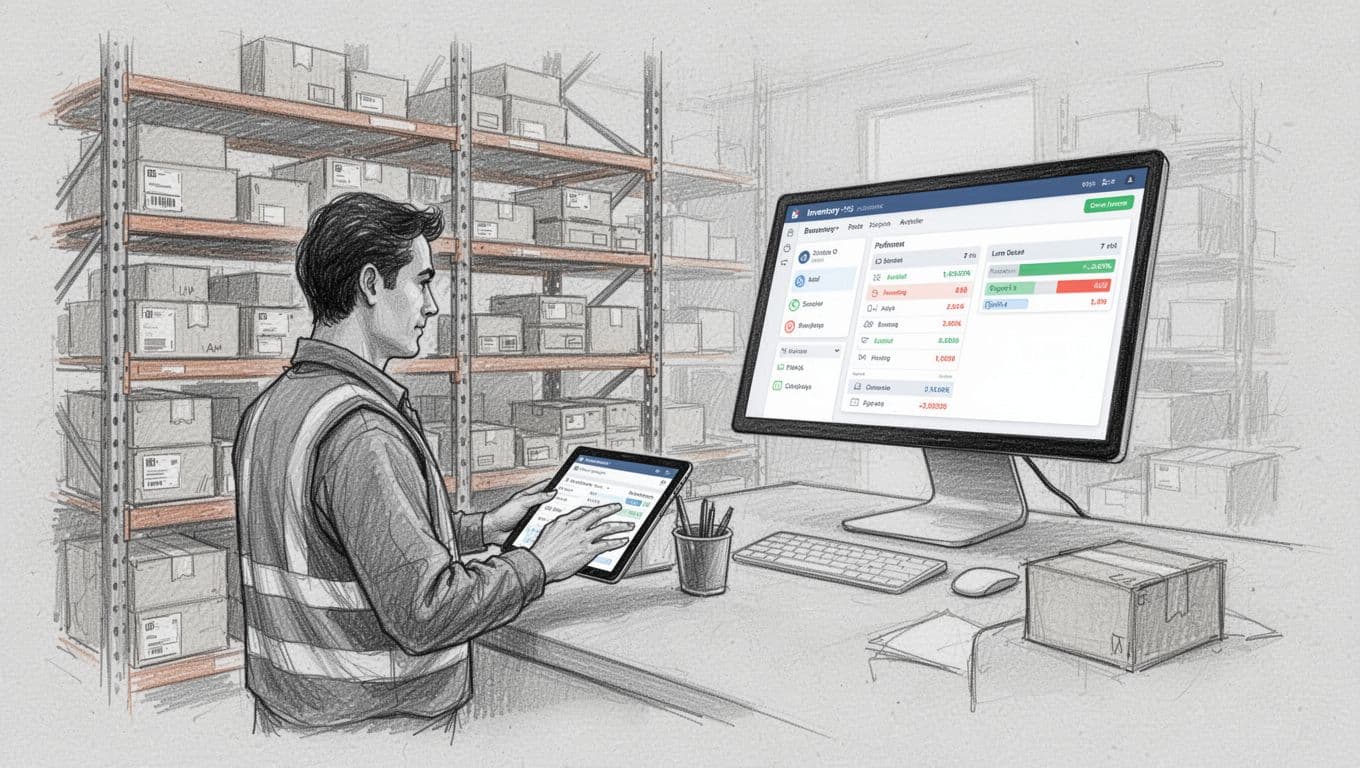
Second, they invested in real-time tracking. When you can see where shipments are and how lead times change, you can act earlier. Some teams also set auto-reorder rules based on risk scores, not fixed reorder points.
Third, they built backup plans. Supplier diversification matters, especially for items with long lead times. In 2026 planning, 40%+ of companies reported moving toward a “China + 1” approach.
Lastly, they set clear stock-sharing rules across teams. If sales, service, and production can see the same truth, they stop competing for inventory.
Here’s the balancing act in plain terms: a small buffer can save a launch. Too large a buffer can create a different shortage, one of cash.
Forecasting and Tech Tools That Predict Problems Early
Forecasting gets better when it’s connected to operations. Companies that handled 2025–2026 disruptions often used a few shared tools:
Sales forecasting tied to historical demand changes, especially around tariff decision dates and holiday timing. Live monitoring of orders, shipments, and lead times, so delays show up quickly. Data analytics that compare planned versus actual delivery performance across suppliers.
Also, teams reviewed the same facts every week. That includes inbound status, supplier reliability, and inventory turns.
When cross-team updates run on one shared data set, people don’t argue about guesses. Instead, they adjust the plan with facts.
For a practical view of inventory strategy for the next cycle, this guide from FORTNA on improving your supply chain in 2026 is a useful reference point for ops leaders.
Building Backup Plans and Supplier Networks
Backup plans should cover more than one vendor. Companies often map disruptions step-by-step, then assign decisions to specific roles.
Common moves include:
- Dual sourcing for high-risk components
- Spreading purchases across regions so one bottleneck doesn’t block you
- Strengthening supplier relationships so priority shipments become easier to request
- Inventory buffers targeted at the slowest, hardest-to-replace parts
The best networks don’t treat suppliers like replacements. They treat suppliers like partners with shared visibility.
That matters when a disruption hits. If you only communicate after a delay starts, you lose leverage. However, if you share forecasts and production changes early, suppliers can plan capacity around your needs.
In 2025 and 2026, the companies that reduced pain didn’t “solve” supply chains. They made them less fragile.
Keeping Customers and Teams Happy During Tough Times
Even the best plan can’t erase every delay. So companies focused on trust.
When shortages or shutdowns happen, silence hurts. Teams and customers feel it as uncertainty. Orders stop moving, support calls spike, and people worry about blame.
So companies moved faster on communication and made alternatives easy.
The best communication had three parts:
- Clear updates with realistic timelines
- Options when the exact item won’t arrive
- Internal alignment so sales, support, and logistics told the same story
Polite substitutions reduced churn. Some brands offered nearby products first. Others used waitlists for limited inventory. Many also helped customers check current stock before confirming purchases, so fewer orders failed at fulfillment.
Also, companies improved teamwork. They shared order status and inventory truth across departments. Then customer service used the same data to answer questions.
Trust rises when updates arrive early, even if the news isn’t good.

Clear Updates That Turn Frustration into Loyalty
How do companies handle delays and shortages without losing customers? They treat delays like a service problem, not a PR problem.
In practice, that looks like:
When a shutdown starts, you notify teams and customers quickly. Then you share the next checkpoint date. Next, you offer substitutes, local buys, or waitlist placements based on priority needs.
For example, if a repair part gets delayed, support can offer an equivalent part sooner. If no equivalent exists, they can propose a short-term plan, then schedule the replacement at the confirmed arrival window.
This is where inventory visibility becomes customer-facing. Customers don’t care why delays happened. They care what’s possible today.
So companies who shared options reduced cancellations and protected long-term relationships.
Real Wins from Companies Battling 2025–2026 Crises
Not every response was perfect. Costs often rose. Some products still launched late. Yet several companies reduced risk by changing how they source and plan.
Apple invested in making products in the U.S. to reduce tariff exposure. That didn’t remove all global dependency, because chips and other parts still come from international suppliers. Still, the direction mattered.
Automakers also adjusted. Some replanned how they manage parts tied to Canada and Mexico supply routes. Others shifted production options to reduce reliance on the most disrupted lanes.
Tesla, GM, and Ford faced the same problem: tariffs changed the cost and availability of imported parts. Their responses included production changes and inventory planning to handle model shifts.
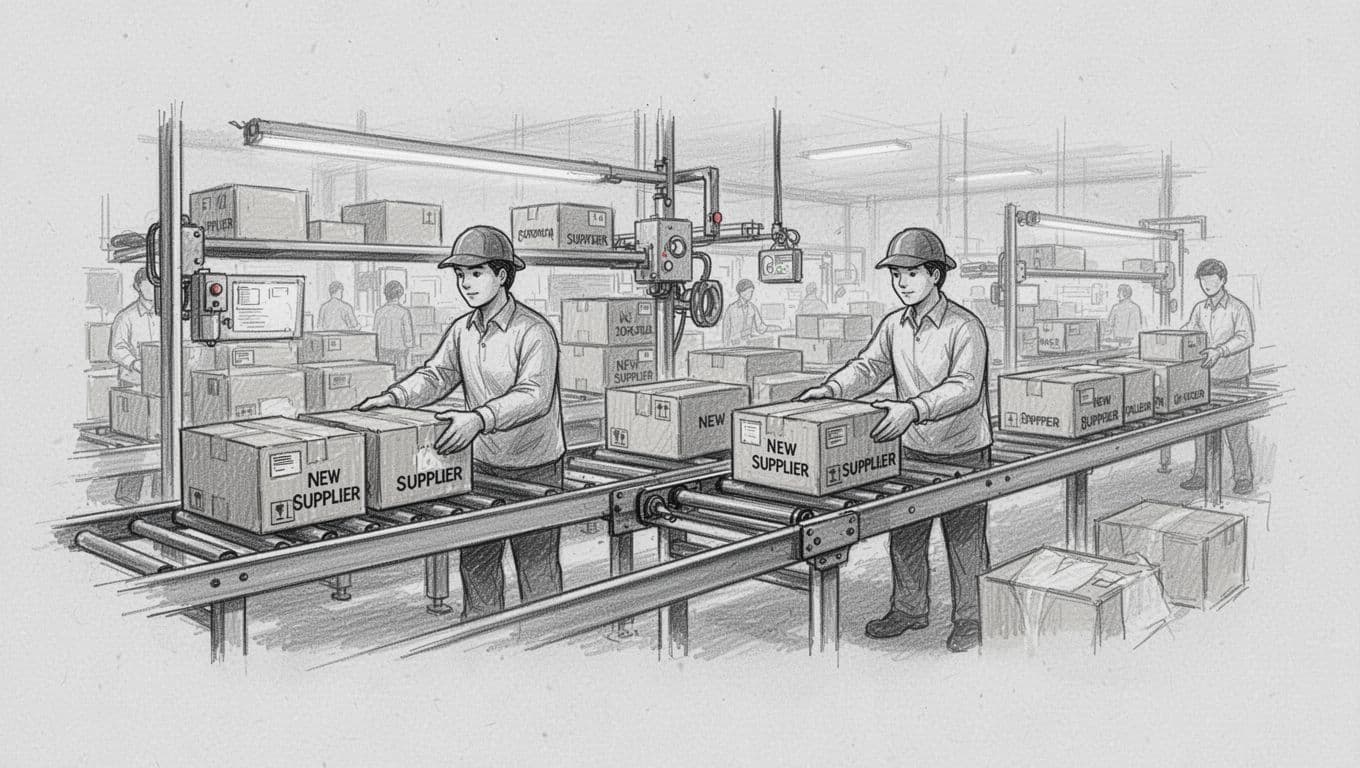
And when cyber risk hit, the “real win” was recovery speed and supplier coordination. For a broader look at how the JLR attack rippled through parts supply, see WIRED’s reporting on the Jaguar Land Rover cyberattack supply chain fallout.
The shared lesson across these wins is timing. Companies that started earlier, diversified earlier, and communicated faster caused less damage.
Conclusion
If you’re trying to answer how companies handle delays and shortages, focus on three themes. Plan inventory like risk, not like hope. Communicate like trust matters, because it does. Diversify suppliers and build backup options so one disruption doesn’t collapse everything.
Tariffs in 2025, a cyber shutdown in 2025, and holiday congestion in 2026 all pointed to the same truth. Supply chains fail when companies treat problems as one-time events.
Your next step is simple: audit your biggest bottlenecks, then add one or two backup paths. Better data helps. Better supplier ties help more. And fast updates keep customers from feeling abandoned.
What disruption are you watching most closely right now, tariffs, ports, or tech risk?