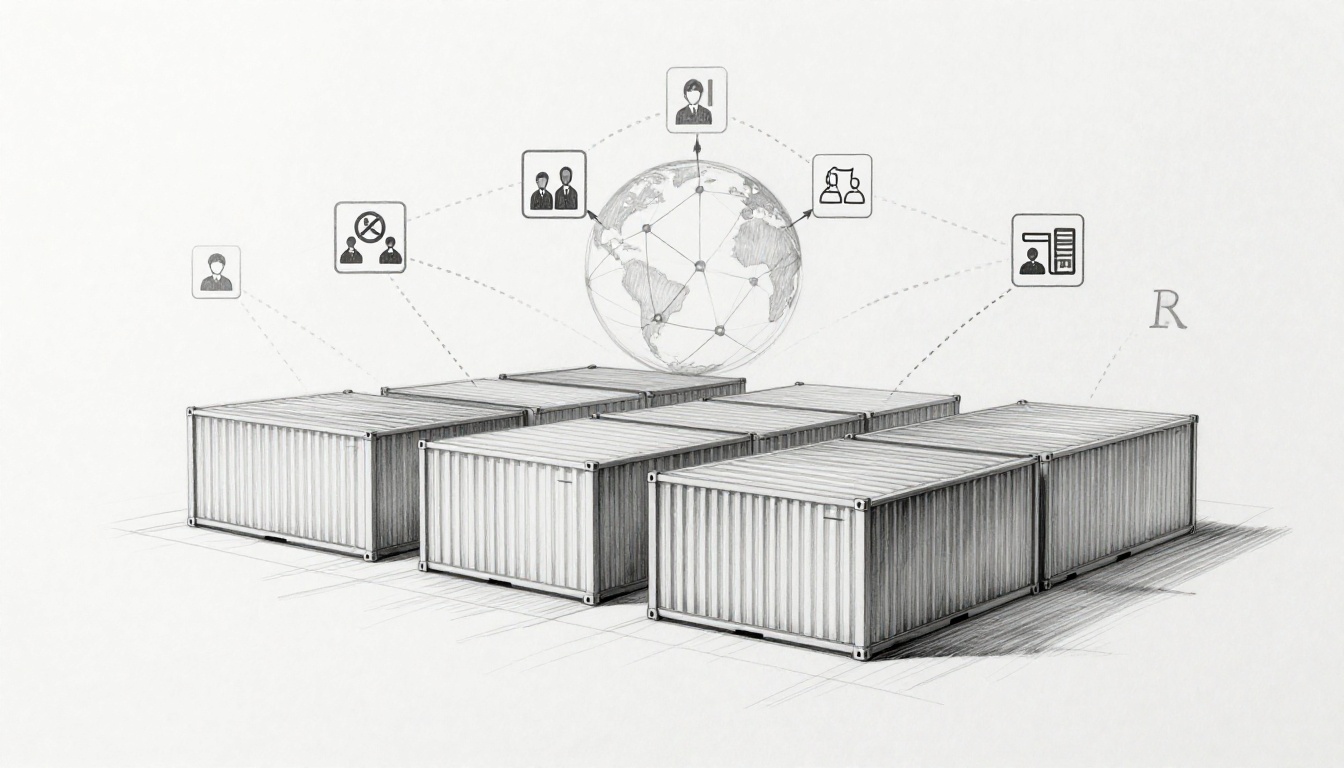
Tariffs, political conflict, and extreme weather can change your supply chain overnight. One shipment gets delayed, and suddenly you’re paying rush fees and telling customers “not yet.” In 2026, reducing supply chain risks 2026 isn’t just smart. It keeps your business running smoothly, protects margins, and builds trust.
Most teams don’t fail because they lack effort. They fail because risks show up in too many places at once. You might feel it in pricing, delivery dates, supplier reliability, or even system downtime. When you treat supply chain risk like an occasional fire drill, the next shock hits harder.
The good news: you can reduce supply chain risks 2026 with practical habits. Start by spotting the most likely threats. Then diversify suppliers and locations. Next, use AI and data for real-time visibility. Finally, build daily risk checks into how work actually gets done.
Ready to make your supply chain tougher? Let’s start with the supply chain risks 2026 that are hurting US businesses most right now.
Spot the Top Supply Chain Risks Businesses Face in 2026
If 2025 taught anything, it’s that disruption loves to surprise you. In 2026, the biggest threats mix policy shifts, physical damage, people problems, and cyber risk. Supply issues top many executive worries, and the result is usually the same: higher costs, slower delivery, and missed sales.
Start your assessment with a simple question: which disruptions would cause the most damage in your next 60 days? Then match that to what you can realistically prevent.
Here are the major supply chain risks 2026 teams are dealing with:
- Tariffs and trade wars: Costs can jump fast when import rules change. In 2026 reporting, tariff pressure can raise import prices by 15% to 20% or more, depending on product and origin.
- Geopolitical tensions: Routes can get blocked, paperwork can tighten, and sanctions can stop shipments. That’s when lead times stretch even if parts still exist.
- Labor shortages: Skilled workers and even key digital roles can be hard to find. When hiring slows, output slows.
- Climate and weather events: Floods, hurricanes, and heat disruptions hit ports, roads, and factories. A single outage can stop a whole line.
- Cyber attacks: Hackers target logistics systems, supplier portals, and email chains. A breach can also wipe trust with trading partners.
- Single-supplier over-reliance: If one supplier owns a critical part, you have one point of failure. That can turn a small issue into total breakdown.
Want a quick self-audit you can do today? Ask:
- What happens if your top supplier is down for 2 weeks?
- Which parts depend on one country or one route?
- How fast can you confirm order status if systems fail?
- Are you prepared for a sudden price change on key inputs?
If you want a broader checklist for preparing for tariff and uncertainty, see 2026 Supply Chain Checklist: How to Prepare for Tariffs, AI, and Geopolitical Uncertainty. It pairs risk themes with actions you can adapt.
The best time to reduce risk is before you need it. Planning after a delay usually costs more.
Tariffs, Trade Wars, and Geopolitical Shifts
Tariffs don’t just raise costs. They also break assumptions. A part that used to land on time can suddenly take longer, because customs checks and sourcing timelines change.
In 2026, tariff uncertainty is also hitting decisions. Some surveys show that 39% of executives stress how uncertainty can erode profits quickly. When companies aren’t sure what they’ll pay, they freeze deals. That creates “sourcing paralysis,” where everything feels urgent, but nothing moves.
Geopolitical shifts add another layer. Sanctions and export controls can block certain materials or stop specific end uses. You might still have inventory in hand, but you can’t always move it. In the meantime, customers still expect delivery.
If you want the link between policy shifts and cyber risk in one place, check Geopolitical Tensions and Cyber Threats. It helps explain why teams treat security and compliance like parts of the same system.
How do you track these changes without drowning in alerts? Use a tight method:
- Pick the product categories that matter most to you.
- Assign one person to monitor policy updates weekly.
- Create triggers for action, like “if tariff changes within X days, update the sourcing plan.”
Weather Disasters and Labor Gaps
Weather risk works like gravity. It keeps pulling your chain off schedule. Ports slow, power cuts halt production, and floods ruin roads and rail lines. Then energy costs rise, because suppliers need backup power.
A climate event can also expose hidden weak spots. Maybe your factory has a “just in time” setup. Maybe your supplier relies on a single site that got hit. Either way, the disruption spreads.
Labor gaps amplify the problem. When skilled workers are scarce, you see delays in machining, packaging, QA checks, and maintenance. In many supply chains, the shortage isn’t only physical labor. Digital skills for planning tools, ERP updates, and warehouse tech matter too. When those roles are missing, data quality drops and decisions slow down.
So what’s the backup plan? Don’t just “hope for the best.” Build redundancy where weather risk hits hardest:
- Add spare capacity, even temporarily, for critical steps.
- Use alternate carriers and alternate receiving docks.
- Keep a small safety stock for long-lead parts.
A good rule: if a disruption would force you to beg for parts, you need a backup before the next storm.
Cyber Attacks and Supplier Weak Spots
Cyber risk is no longer an IT-only topic. It shows up in missed shipments, spoofed emails, bad invoices, and broken order data. In 2026 risk reporting, cyber threats rank as one of the top concerns, with tech risk rising noticeably in surveys.
Here’s the scary part: an attack can hit your supplier network even if you lock down your own systems. Hackers might compromise a freight system, steal shipping details, or interrupt supplier portals. Then your team spends days trying to reconstruct what happened.
Supplier weak spots also include non-cyber issues. A supplier’s financial stress can look like a “shipping problem” until it isn’t. A warehouse backlog can turn into a capacity shortfall. A quality issue can force rework, which steals time from everything else.
To reduce both cyber and operational weaknesses, set clear supplier expectations:
- Require supplier incident notification timelines.
- Use supplier scorecards that track delivery, quality, and responsiveness.
- Test your order confirmation process, including how you respond when email is unreliable.
Diversify Suppliers and Locations to Dodge Disruptions
Diversification is what you do when you accept a hard truth: the world keeps changing. If one supplier, one plant, or one route fails, you need a path to keep moving.
This is where supply chain diversification strategies matter most. You don’t diversify to add complexity. You diversify to keep your ability to deliver, even during shocks.
A good diversification plan usually includes three parts:
- Multiple suppliers for critical inputs (not five “maybe” options).
- Multiple locations (so a local disaster doesn’t stop everything).
- Multiple routes and carriers (so one port congestion event doesn’t own your schedule).
In 2026, more companies are shifting production closer to market, because long ocean routes and tariff uncertainty have made far-off sourcing riskier. That’s why nearshoring keeps showing up in supply chain planning conversations.
Here’s a simple way to connect diversification to outcomes:
| Goal | What you change | What improves |
|---|---|---|
| Keep delivery dates during shocks | Add backup suppliers | Fewer total line stops |
| Reduce price surprises | Split sourcing by origin | More control over landed cost |
| Recover faster after damage | Move production closer | Shorter lead times and re-order cycles |
Once your supply base has backups, you also reduce the pressure to “panic buy” during emergencies.
Switch to Nearshoring for Speed and Safety
Nearshoring can shorten transit time, reduce exposure to ocean disruptions, and make it easier to respond quickly. In practical terms, it gives you more flexibility when tariffs or routing rules shift.
In 2026 reporting, nearshoring to Mexico is accelerating as firms respond to tariff volatility and long ocean transit times. One source cites US and Mexico trade growth and highlights Mexico as a major partner. For more context, read Nearshoring to Mexico Is Accelerating in 2026.
Even if you don’t nearshore fully, you can use the approach in stages:
- Move the most time-sensitive products first.
- Nearshore only the processes that create the biggest delivery risk.
- Keep a second region as a “break glass” option.
The big benefit is recovery speed. When a disruption hits, your chain stops feeling like one long fuse.
Harness AI, Data, and Tech for Real-Time Visibility
Visibility is where risk reduction gets real. When you can see problems early, you fix them before they hit customers. However, visibility fails if data sits in silos.
AI helps because it can handle large volumes of changing information. It can also help your team act faster when signals conflict. For example, tariffs might change pricing while demand shifts in your forecast. AI can flag those patterns so procurement and planning can respond together.
In 2026, the goal isn’t “AI everywhere.” The goal is AI supply chain risk reduction that supports decisions you already need to make.
Think of your tech stack like a control tower:
- Data from suppliers, freight, and orders feeds in.
- AI or analytics highlights what’s likely to break.
- Teams get clear actions, not just dashboards.
If you want a read on how teams should think about disruptions as recurring business risk, check Are You Prepared for the Supply Chain Disruptions of 2026?. It frames preparedness around stockouts and lost sales, not just logistics.
Build Predictive Dashboards and AI Forecasts
Predictive tools work best when you define risk in a measurable way. Start with a few clear targets, such as:
- late shipment probability by supplier
- customs delay likelihood by route
- stockout risk for top-selling SKUs
- capacity strain risk at key partners
Then use scenario planning. Ask “what if” questions like:
- What if ocean freight jumps again next week?
- What if a supplier misses one shipment window?
- What if demand spikes in one region?
The output you want is simple. For each scenario, you should know who acts, what gets adjusted, and when.
Centralize Data to Unite Your Teams
Most supply chain failures happen inside the team. Procurement has one view. Logistics has another. Finance has another. When those views don’t match, decisions slow down.
Centralizing data helps teams compare the same facts. It also improves your response time when a disruption hits.
A practical approach:
- Bring purchase orders, shipment status, inventory, and lead times into one place.
- Agree on one source of truth for dates and status codes.
- Set a daily “risk standup” where each team reports exceptions.
When data is shared, risk reduction becomes routine. When data is scattered, it becomes detective work.
Make Risk Management Part of Everyday Business
Risk management fails when it lives in a slide deck. It works when it becomes a daily habit. That means you don’t only plan for disasters. You also check the small signals that show risk building.
Start with supplier monitoring. Review delivery performance, quality trends, and responsiveness. Then tighten contracts so pricing and capacity changes don’t paralyze you. After all, a contract that forces you to wait for approvals can turn a minor issue into a major delay.
Scenario planning matters too. You don’t need a perfect model. You need practice. Run simple “what if” drills around:
- container shortages
- port congestion
- supplier outages
- sudden demand changes
These supply chain resilience best practices keep your team from freezing under pressure.
Finally, balance cost with safety. Extra stock costs money. So does stockout. The trick is to hold the right items in the right places, based on lead time risk.
Here’s a focused routine you can start this week:
- Audit your top 20 suppliers for single-point failures.
- Map your top parts to origin and alternate sources.
- Set daily risk checks for late signals and inventory dips.
- Test your fallback plan for one critical item.
Craft Flexible Deals and Run What-If Drills
Flexible contracts reduce panic when the market shifts. Look for terms that allow faster changes in quantities, delivery windows, or pricing triggers. Also, build response time expectations into agreements, so you don’t wait for meetings when something goes wrong.
Then practice with what-if drills. For example, simulate a two-week supplier outage for one component. Decide:
- how you would reroute production
- how you would adjust priorities
- who authorizes changes
- how you’ll communicate with customers
Drills feel awkward at first. Yet they pay off when reality hits.
Conclusion
In 2026, supply chain disruption isn’t a rare event. It’s a steady pressure on costs, delivery dates, and customer trust. The strongest path to reducing supply chain risks is to combine four moves: spot the biggest threats, diversify suppliers and locations, use AI and data for early signals, and run daily risk checks.
When you build risk management into everyday operations, you stop reacting late. You also gain room to respond calmly when tariffs shift, weather hits, or systems get attacked. That’s how prepared companies win with fewer delays and less margin pain.
Ready to make your supply chain tougher? Start with one action today: map your top suppliers and identify your biggest single point of failure. Then fix just one gap before next week.