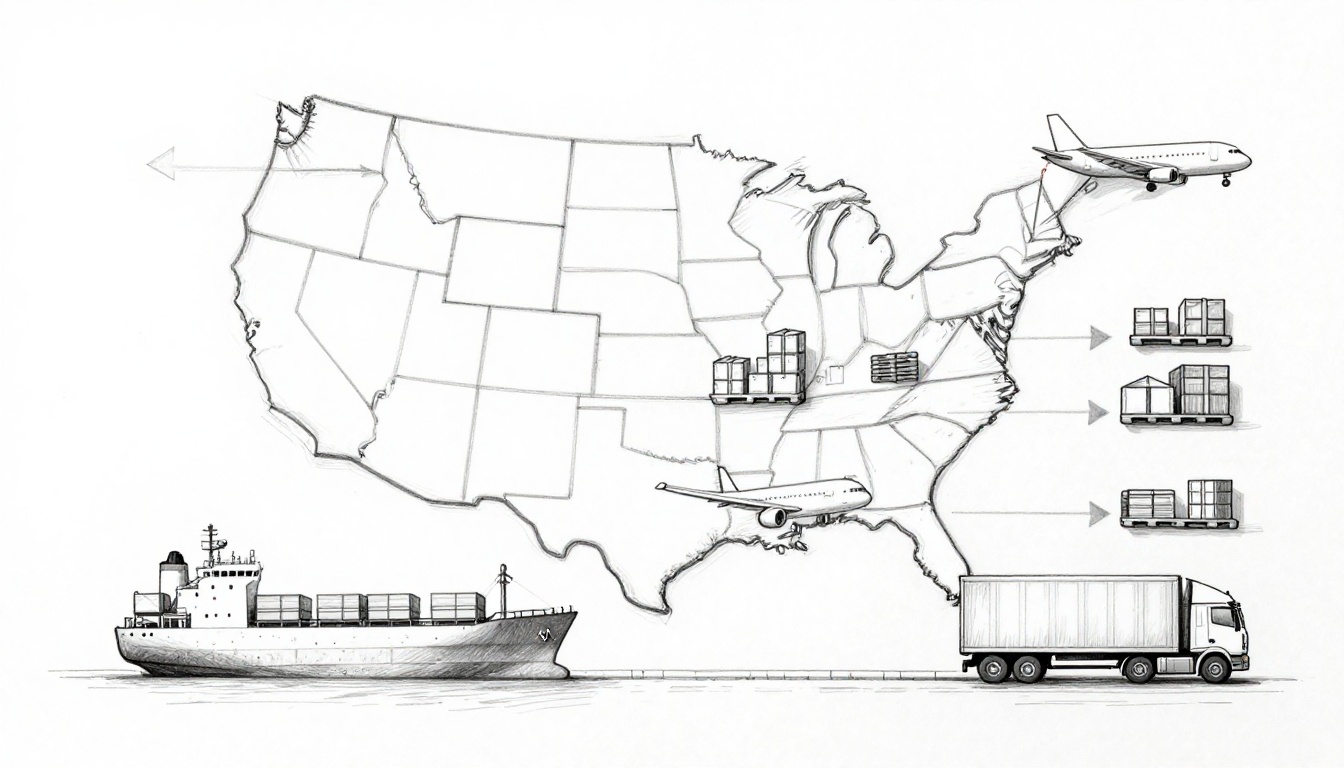
Have you ever wondered why your phone came from China, yet your paycheck still depends on local work? That story is tied to imports and exports explained simply.
In the simplest terms, imports are things a country buys from abroad. Exports are things a country sells to other countries. Money usually flows out for imports, and money comes in for exports.
In this guide, you’ll see clear differences, real US examples, and how trade balance affects prices and jobs. You’ll also get a peek at what’s been trending in 2025 to early 2026.
What Are Imports? Bringing Goods In from Other Countries
Imports are goods and services a country brings in from other places. When the US imports, money typically leaves the US to pay for those items. In return, consumers and businesses get products they either cannot make at home or can buy at a better price.
Think of imports like shopping online from a store across town (but the store is in another country). Sometimes it’s cheaper. Sometimes the exact item just isn’t made locally. Other times, the US needs materials to keep factories running.
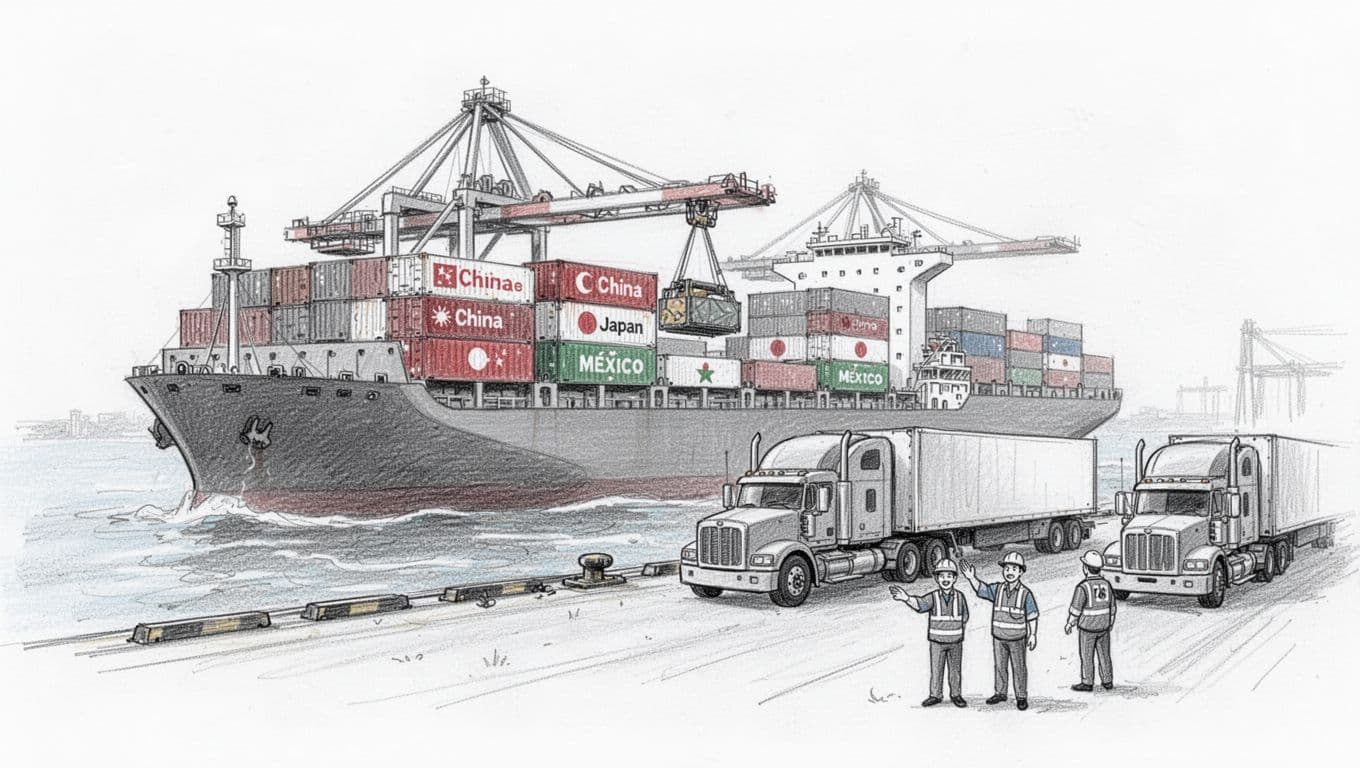
You see imports all the time. Cars can come from Mexico or Japan. Bananas might come from Ecuador. Computers and phones often come from China and nearby supply hubs. Even fuel can be part of imports, depending on where the US buys crude oil and refined products.
Imports also help keep prices lower, especially for everyday items. When more options exist, companies compete more. That competition can help households stretch their budgets.
Here’s a quick way to picture it:
- Imports rise when the US buys more from abroad.
- Import categories often follow demand, like gadgets, parts, and energy.
- Supply chain shifts can change origins fast, even within a year.
If you want a deeper look at the biggest import categories and where they come from, see top U.S. imports in 2026.
Everyday Examples of Imports You Use
Let’s make this feel real. Picture a typical week in the US. You might use imported parts in a laptop, then drive to work in a car built with globally sourced components. Next, you might cook with ingredients that traveled across borders.
Here are common import examples in the US:
- Electronics and machinery: computers, phones, and related parts.
- Vehicles and parts: passenger cars and components from different countries.
- Energy products: crude oil purchased from places like Canada (and others).
- Specialty goods: items that fill gaps in local supply.
In early 2026 data, imports have included very large categories like pharmaceuticals and computers, plus passenger cars and computer accessories. Crude oil also stays on the list as a major import category.
That means imports aren’t just “extra stuff.” They support production, transportation, and daily life. If a factory needs parts, it often turns to global suppliers. As a result, consumers can get more products at more price points.
In addition, the US has been shifting some sourcing. Imports have moved more toward Mexico and Canada, while the share coming from China has fallen compared with earlier years. That shift can happen because of pricing, rules, and supply chain changes.
Why Do Countries Rely on Imports?
Countries rely on imports for simple reasons: cost, access, and speed. If you can buy something cheaper or faster abroad, you may do it.
Imports can also expand variety. Consumers get more choices. Businesses get more inputs. In many cases, imports support jobs at home too, because local workers assemble, sell, install, and service imported goods.
However, imports also mean money leaves the country. That’s the trade-off. When imports grow faster than exports, it can contribute to a trade deficit (more on that later).
Still, imports can be a smart tool. They help when a product is not available domestically, or when domestic supply can’t meet demand. For example, the US may import materials like crude oil to support refineries. Meanwhile, retailers import goods customers want, even if those goods weren’t made in the US.
In short, imports often reflect “specialization.” Some places produce certain things more efficiently. Other places provide different strengths. Together, that can raise living standards for both sides.
What Are Exports? Sending American-Made Goods Abroad
Exports are the opposite of imports. Exports are goods and services produced in the US and sold to buyers in other countries. When the US exports, money usually comes into the country.
A useful analogy is the “extra crops” idea. If your farm grows more than you can eat, you sell the extra. The sale brings in cash. That cash supports your work, your tools, and your next planting season.
For the US, exports can include:
- Fuels and energy products sent abroad
- Aircraft and aerospace parts
- Soybeans and other agricultural goods
- Machinery and other industrial equipment
Exports matter because they help US producers earn revenue. That revenue supports hiring and investment. It also strengthens local industries that can compete internationally.
If you want to see which US categories have led exports in recent years, check top U.S. exports in 2026.
Real-World US Export Success Stories
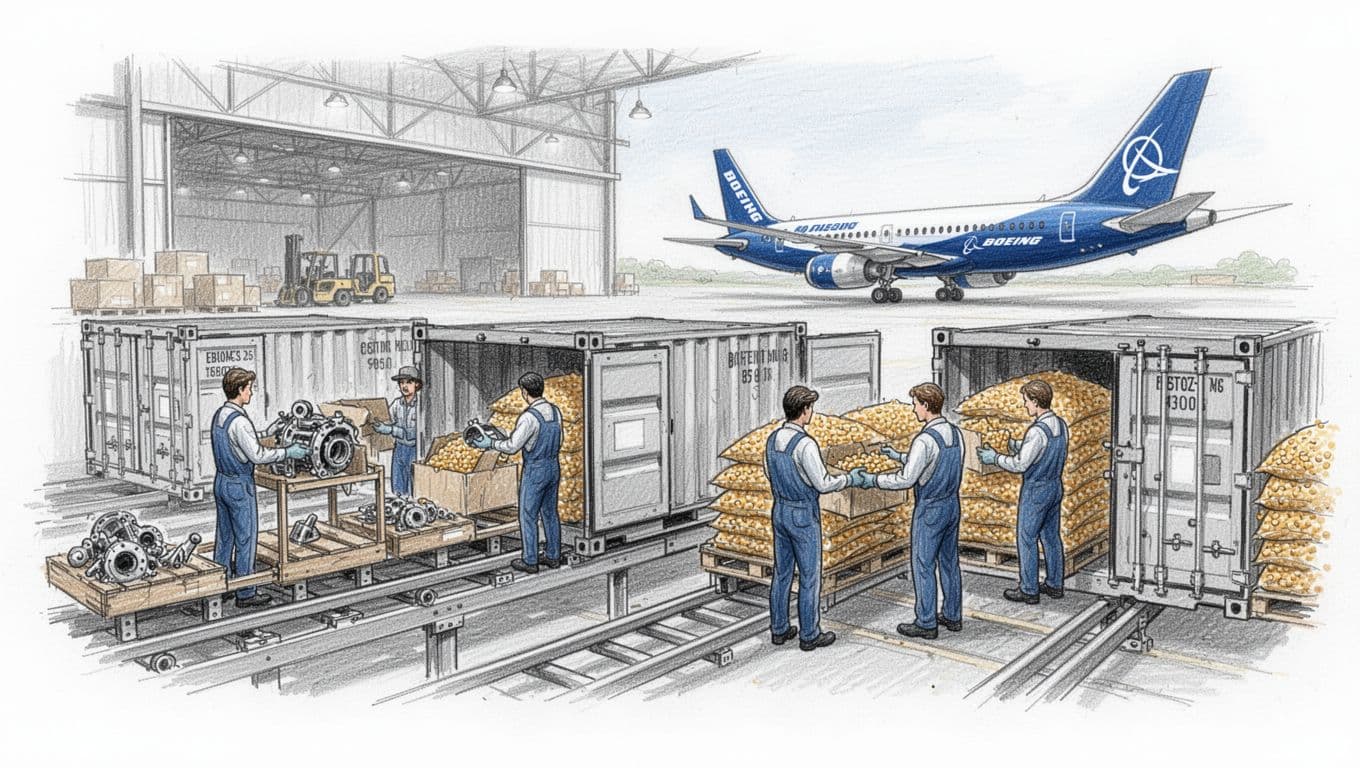
Some US exports are easy to spot because they show up in global headlines. Aircraft, energy, and agriculture are big examples.
In recent trade data for early 2026, exports have included major items like fuels, capital goods, and industrial supplies. For example, aircraft-related categories have been moving as demand changes. Meanwhile, agricultural exports like soybeans have long been part of the US export story, with China often mentioned as a key destination in past years.
Here’s what “export success” looks like in everyday terms:
- Manufacturing reach: aircraft and industrial parts get built with global buyers in mind.
- Factory work: exporting can support more shifts, training, and staffing.
- Farming income: agricultural exports can raise farm revenue when global demand is strong.
Destinations for US exports often include large neighbors and major trading partners. In many years, Mexico and Canada rank high for exports of goods, with other countries also playing important roles.
How Exports Boost Jobs and the Economy
Exports bring money into the US. Then that money supports businesses that make and ship products. Those businesses often hire workers. They also buy supplies from other local companies.
So exports can help the economy grow. They can also help specific communities. A plant that ships more parts might add jobs. A port that handles more cargo might need more workers. A logistics firm can expand if it sees steady export volume.
There’s also a simple chain effect. When exports rise, production can rise. That can increase demand for labor, transportation, and storage. In other words, exports don’t just help one company. They can lift a whole network.
That’s why trade news affects more than headlines. It can change hiring plans, overtime schedules, and the health of local suppliers. Even if you never export anything yourself, your community might still feel the impact.
Imports vs Exports: Key Differences and Trade Balance Basics
Here’s the core difference in one snapshot. Imports and exports are linked, because the US can’t buy without selling something (or paying from savings and borrowing).
This table shows the direction and the basic idea behind trade balance.
To understand trade balance, think: exports minus imports.
| Topic | Imports | Exports |
|---|---|---|
| What it means | Buying from abroad | Selling to other countries |
| Money flow | Money goes out | Money comes in |
| Goal for buyers | Get needed goods or lower costs | Earn cash and grow production |
| Usual impact on prices | Can help keep some items cheaper | Can support local production costs |
| Trade balance effect | Pushes deficit if larger | Pushes surplus if larger |
When you hear “trade deficit,” it means imports exceed exports. A trade surplus means exports exceed imports.
In a simple formula:
Net exports = Exports – Imports
If net exports are negative, the deficit grows. If net exports are positive, the surplus grows.
For real numbers, the latest official release notes that the US had a $54.5 billion goods and services deficit in January 2026. Exports were $302.1 billion, and imports were $356.6 billion. Source: January 2026 international trade release from BEA.
Gotcha to remember: A trade deficit does not automatically mean “the US is failing.” It often reflects how much the US consumes, invests, and relies on global supply chains.
In fact, you can run a deficit and still have strong industries. But persistent deficits can still matter for jobs and for how policymakers respond.
Understanding Trade Surplus and Deficit Simply
A trade surplus happens when money coming in from exports is larger than money going out for imports. It can signal strong global demand for what a country makes.
A trade deficit happens when imports are larger than exports. It can mean the country buys more from abroad than it sells. Sometimes that fits a growing economy that wants more goods now. Other times, it can reflect changes in competitiveness or supply chain choices.
Here’s how to view it without getting lost in charts:
- Surplus: “We’re selling more than we buy.”
- Deficit: “We’re buying more than we sell.”
For the US, the deficit has shown up in many recent periods. January 2026 is an example where the deficit was still large, even as monthly totals can move.
The key takeaway is balance is not just math. It affects the economy because trade links to jobs, production, and the demand for different skills.
Why Should You Care About Imports and Exports?
Imports and exports aren’t only for economists. They show up in your daily costs and your local job market.
When imports are cheaper or more available, you often pay less for certain items. That can mean a better deal on electronics, household goods, or parts for your car. Also, when exports do well, companies may hire more staff or expand plants.
Trade also affects growth. When exports rise, businesses can build more. That can raise output. When imports rise, consumers can get more choices. Still, trade can shift who wins and who faces pressure, especially in industries tied to domestic production.
So it’s worth paying attention. You don’t need a finance degree. You just need to connect the dots. If a country buys your product, that can create work. If it sells you its products, that can lower costs.
Meanwhile, 2026 patterns show continued shifts in supply chains. Imports can change based on tariffs, sourcing moves, and demand from sectors like AI infrastructure and capital goods.
Top US Imports and Exports in 2026 Trends
Let’s use what’s most visible in recent data. Imports in the US have been led by big categories like pharmaceuticals, computers, passenger cars, computer accessories, and crude oil. Mexico and Canada also stay prominent sources, with China still a major origin but with a smaller share than earlier years.
On the exports side, recent updates keep pointing to major groups like fuels, aircraft and related categories, plus machinery and industrial supplies. Agricultural goods like soybeans remain part of the big picture too, especially in how global demand changes year to year.
If you want broader context on country rankings and sector breakdowns, see US Trade 2026 report trends and rankings.
In plain English, these patterns make sense. The US specializes in what it can produce at scale, while other countries specialize in what they can produce efficiently. Over time, those strengths shape what crosses the border.
Conclusion
Imports and exports are the basic “in and out” of international trade. Imports bring goods and services into the US, and exports send US-made products abroad. Together, they shape the trade balance, which is exports minus imports.
When trade flows change, you can feel it in prices and jobs. Cheaper imports can help your budget. Strong exports can support hiring and production. That’s why trade news isn’t just global trivia.
Next time you buy imported fruit, notice a deal on a gadget, or hear export headlines, connect it back to the same simple idea: countries trade because each one has strengths worth sharing.